Hear from Our Customers
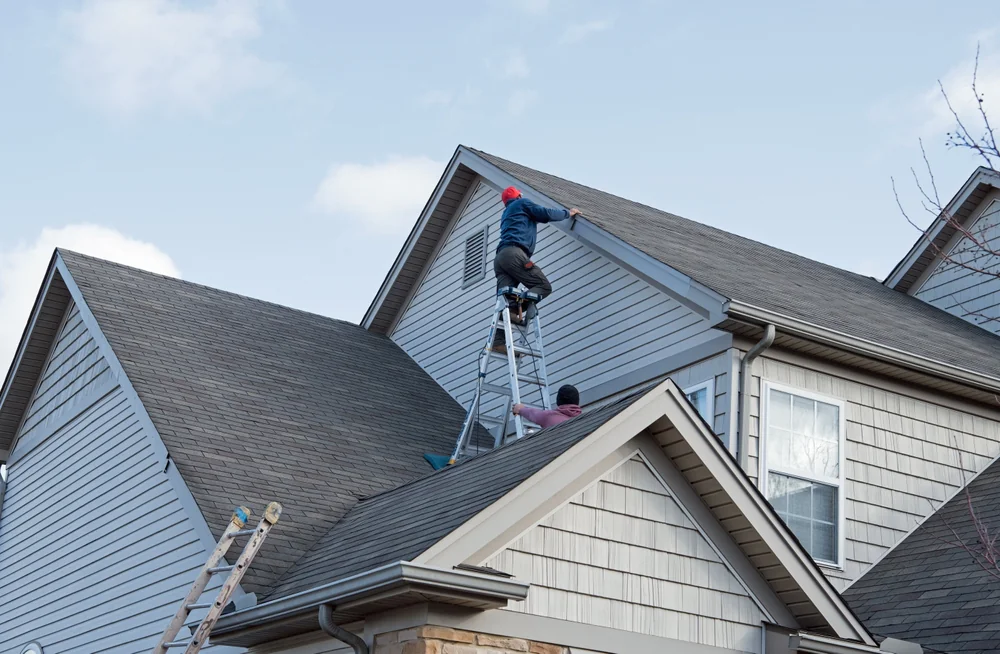
You shouldn’t have to wonder if that ceiling stain is getting worse. Or if the next snowstorm will turn a small problem into a major one.
A proper roof repair means the leak stops. The damaged shingles get replaced with materials that match and last. Your attic stays dry through the next ice dam season, and you’re not calling someone else in six months to fix the same spot.
That’s what happens when the work is done by someone who knows New Hampshire weather. The repairs hold up because they’re built for freeze-thaw cycles, heavy snow loads, and the kind of wind that rips off anything that wasn’t installed correctly. You get back to your life without checking the ceiling every time it rains.
We’ve spent over 13 years working on homes in Hillsborough and the surrounding area. We’re an Owens Corning Preferred Contractor, which means we meet their standards for quality and service, and you get access to better warranties.
We’re local, licensed, and insured. When you call, you’re talking to someone who knows what winter does to roofs around here. We’ve seen the ice dam damage on older colonials, the wind-torn shingles after nor’easters, and the slow leaks that homeowners ignore until the insulation is soaked.
You’re not getting a crew that disappears after the deposit clears. You’re working with a company that’s been here and will be here.

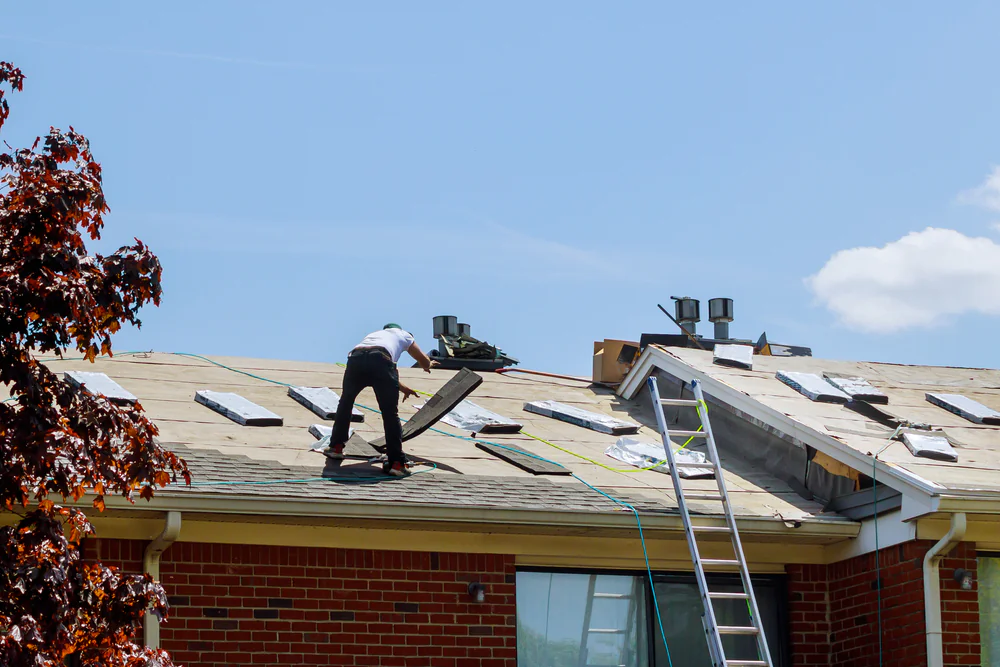
First, we come out and actually look at your roof. Not just the obvious damage, but what’s happening underneath and around it. A missing shingle might be the symptom, but we’re checking for rotted decking, compromised flashing, and any secondary issues that’ll cause problems later.
Then we walk you through what needs to happen. If it’s an emergency, we’ll tarp or patch it the same day to stop further damage. For insurance claims, we document everything and help you understand what your policy should cover.
Once you’re ready to move forward, we schedule the repair around your timeline. Our crew shows up when we say they will, completes the work without shortcuts, and cleans up like we were never there. You get a roof that works, a warranty that backs it up, and straight answers if you have questions later.
Ready to get started?
Every roof repair starts with an honest assessment. We’re looking at shingle condition, flashing integrity, ventilation, and any structural concerns. In Hillsborough, that means paying attention to ice dam patterns, checking for wind damage on the edges, and making sure your attic ventilation isn’t creating moisture problems.
New Hampshire gets hit hard. Over the last decade, FEMA made 15 major disaster declarations here, and seven were storm-related. Your roof takes the beating from heavy wet snow, ice buildup, and wind that doesn’t quit. The repairs need to account for that.
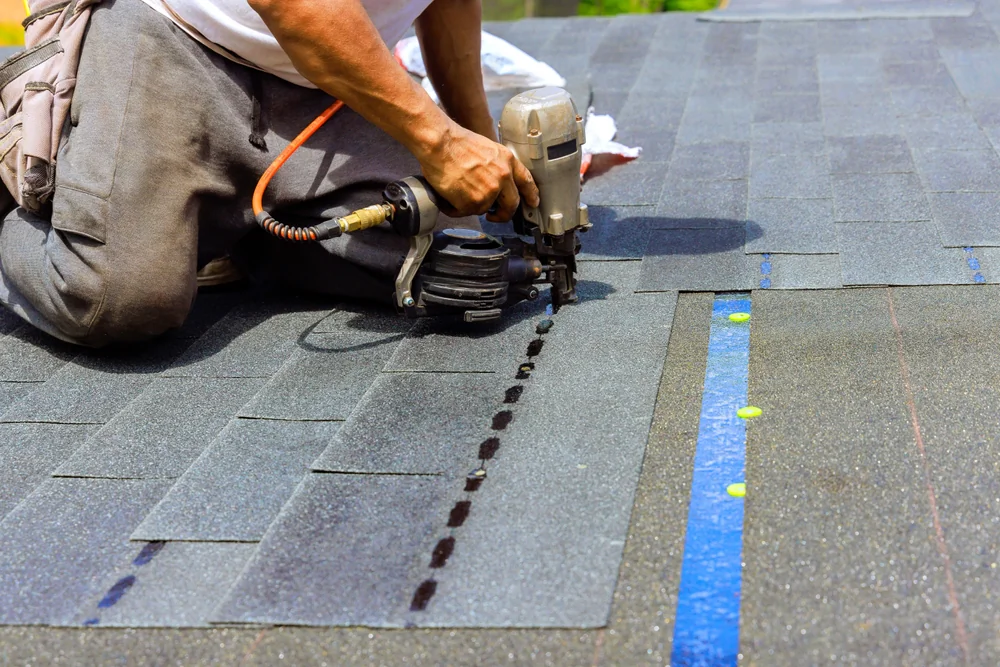
When we replace shingles, they match your existing roof and meet the wind rating your home needs. Flashing gets sealed properly so water can’t sneak behind it. If decking is damaged, we replace it before putting anything back on top. You’re not paying for a cosmetic fix that fails in two years.
We also help with insurance claims. Roof damage claims hit $31 billion nationwide in 2024, and knowing how to document and present your case makes a difference. We’ve done this enough times to know what adjusters look for.

If you’ve got active leaking or exposed decking, we can get someone out the same day or next day in most cases. Emergency repairs mean stopping the damage first—tarping, temporary patches, whatever keeps water out of your house while we line up the full repair.
For non-emergency work, it depends on our schedule and weather. We’re not going to patch your roof in a rainstorm and call it fixed. But we’ll give you a realistic timeline and keep you updated if anything changes.
The key is calling as soon as you notice the problem. A small leak becomes a big one fast, especially when snow is sitting on your roof or rain is forecast. The sooner we can assess it, the sooner we can stop it from getting worse.
It depends on what caused the damage and what your policy covers. Storm damage, hail, wind, and falling trees are usually covered. Wear and tear or maintenance issues typically aren’t.
We help you document everything. Photos, measurements, material lists—whatever your insurance company needs to process the claim. We’ve worked with enough adjusters to know what they’re looking for, and we can walk you through the process.
Insurance covers about 26 percent of roofing projects nationally, which is way higher than most home repairs. If your damage is storm-related and happened recently, there’s a good chance your policy will cover at least part of it. We’ll give you the documentation to make your case, but the final call is between you and your insurer.
A repair fixes the damaged section. A replacement means tearing off the old roof and starting over.
If the damage is localized—a few missing shingles, one area of flashing, a small leak—a repair makes sense. You’re fixing what’s broken without touching the parts that still work. It’s faster and costs less.
But if your roof is older, has multiple problem areas, or the damage is extensive, a replacement might be the smarter move. Patching a 20-year-old roof that’s failing in three spots just means you’ll be calling someone again next year.
We’ll tell you which one makes sense for your situation. If a repair buys you five more solid years, we’ll say so. If you’re throwing money at something that needs to be replaced anyway, we’ll tell you that too.
Ice dams form when snow melts on your roof, runs down, and refreezes at the edge. That ice blocks the water from draining, so it backs up under your shingles and leaks into your house.
Signs you’ve got ice dam damage: water stains on your ceiling near exterior walls, icicles hanging from your gutters, or visible ice buildup at the roof edge. Inside, you might see peeling paint, sagging drywall, or wet insulation in the attic.
The damage happens because that trapped water finds its way under the shingles and into the roof deck. By the time you see a stain on your ceiling, the decking and insulation might already be compromised. We check the attic, look for rot, and assess whether the problem is just the shingles or if there’s structural damage underneath. Fixing it right means addressing the ventilation and insulation issues that caused the ice dam in the first place.
Yes. If your roof is leaking or damaged and you need someone now, we respond to emergency calls.
Emergency service means we come out, assess the damage, and do whatever’s necessary to protect your home from further water intrusion. That might be tarping, temporary patching, or securing loose materials. The goal is to stop the bleeding while we plan the permanent fix.
New Hampshire weather doesn’t wait, and neither should you. A small leak during a rainstorm becomes a soaked ceiling, ruined insulation, and potential mold growth if it’s not addressed quickly. We’ve been doing this long enough to know that fast response prevents bigger problems.
Once the emergency is handled, we’ll schedule the full repair. But you won’t be sitting there with a bucket in your living room wondering when someone’s going to call you back.
Most repairs take a few hours to a full day, depending on what’s involved. Replacing a section of damaged shingles and flashing is usually a half-day job. If we’re dealing with rotted decking, multiple problem areas, or complicated flashing details, it might take longer.
Weather plays a role too. We’re not doing roof work in the rain or on ice. It’s not safe, and the materials won’t seal properly. If conditions aren’t right, we’ll reschedule rather than rush through a repair that won’t hold up.
We’ll give you a time estimate upfront and let you know if anything changes. The goal is to get your roof fixed correctly, not just quickly. But we also know you don’t want a crew at your house for a week, so we work efficiently and clean up when we’re done.
Other Services we provide in Hillsborough