Hear from Our Customers
A small leak today becomes a big problem tomorrow. Water doesn’t wait, and neither should you.
When you catch roof damage early, you’re protecting everything underneath. Your insulation stays dry. Your wood framing doesn’t rot. Your ceiling doesn’t develop stains or sag. You avoid the mold issues that come when moisture sits in hidden spaces for weeks or months.
The difference between a quick repair and a full replacement often comes down to timing. Hampstead’s freeze-thaw cycles are brutal on roofs. Snow melts during the day, water seeps into small cracks, then it refreezes at night and expands. That cycle repeats all winter, turning minor damage into structural problems.
You get your home protected, your stress reduced, and your investment secured. That’s what matters.
We’ve handled roofing repair in Hampstead, NH and throughout the region for over a decade. We’re an Owens Corning® Preferred Contractor, which means we meet strict standards that most contractors don’t qualify for.
You’re not getting a crew that learned roofing last month. You’re getting people who understand how New Hampshire weather beats up roofs—the snow load stress, the spring rain saturation, the way ice dams form when your attic insulation isn’t quite right.
We’ve seen what works and what fails in Hampstead’s climate. That experience shows up in how we diagnose problems, recommend solutions, and execute repairs that actually last.

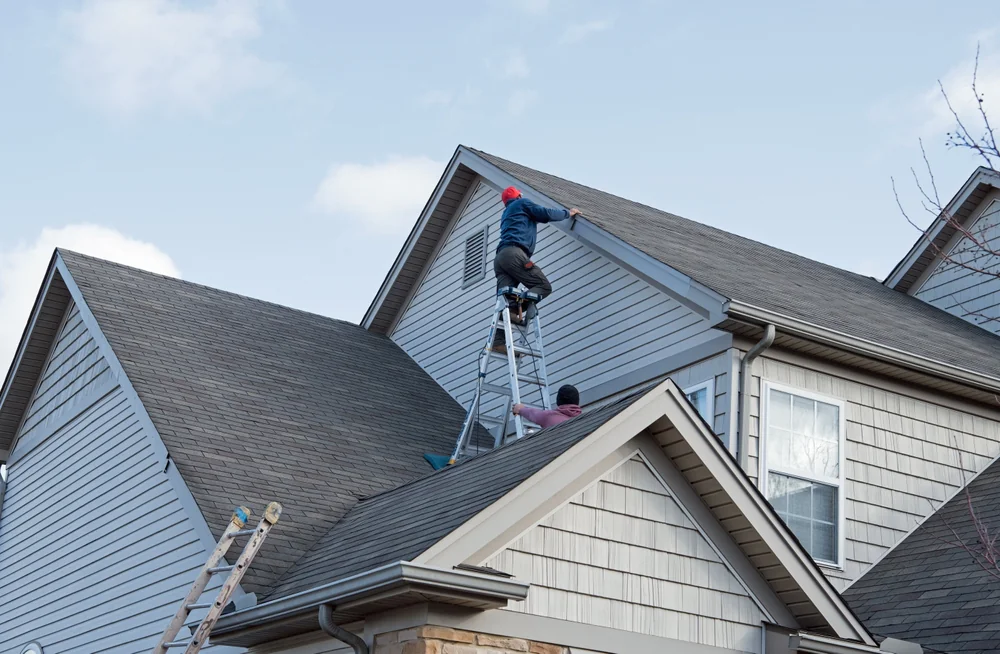
First, we come out and inspect your roof. Not from the ground with binoculars—we get up there and look at the actual damage. We check for obvious issues like missing shingles or visible holes, but we also look for the subtle stuff: lifted flashing, worn sealant, areas where water might be getting in without leaving obvious signs yet.
Then we explain what we found in plain language. No jargon, no upselling. If you need a full replacement, we’ll tell you. If a repair will handle it, we’ll tell you that too. You get photos, a clear explanation of the problem, and an honest recommendation.
Once you approve the work, we schedule it fast. For emergency situations—active leaks, missing shingles after a storm, structural damage—we often start within days. We handle the repair with quality materials, clean up completely, and make sure you understand what we did and why.
You’re not left guessing. You know what happened, what it cost, and what to expect going forward.
Ready to get started?
We handle the full range of roofing repair in Hampstead, NH. Leak repairs where we track down the source—which isn’t always where you see the water stain—and seal it properly. Storm damage repairs after wind rips off shingles or hail beats up your roof. Ice dam damage, which is common here when snow melts and refreezes at your roof edge, forcing water back up under the shingles.
We also fix flashing around chimneys and skylights, replace damaged sections of decking when water has rotted the wood underneath, and reseal valleys where two roof planes meet. Those valleys are high-stress areas that fail more often than flat sections.
Hampstead gets hit with heavy snow most winters. That weight stresses your roof structure, and when it melts unevenly, you get water pooling in spots that weren’t designed to hold it. We see this constantly—roofs that handled 20 years of normal weather suddenly developing problems after one particularly harsh winter.
The materials matter too. We use Mule Hide Roofing products and Owens Corning systems because they hold up in New Hampshire’s climate. Cheap materials fail faster here. You don’t want to pay for the same repair twice.

For true emergencies—active leaks, missing shingles exposing your roof deck, or storm damage that’s letting weather in—we typically respond within 24 to 48 hours. Sometimes faster if our schedule allows.
The key word is “emergency.” If water is actively coming into your home, that’s an emergency. If you’re seeing a small stain that’s been there for weeks, that’s urgent but not quite the same level. Either way, we move fast because we know roof damage spreads.
When we can’t get there immediately for a full repair, we’ll often do a temporary fix first—tarp it, seal it, stop the water—then come back to complete the permanent work. That prevents further damage while we line up materials and crew time. Most homeowners in Hampstead, NH expect roofing work to start within two weeks of accepting a quote, and we hit that timeline consistently.
Ice dams form when heat escapes through your roof, melts the snow on top, and that water runs down to the colder roof edge where it refreezes. It builds up like a dam, and then melting snow behind it has nowhere to go except back up under your shingles. That’s when you get leaks.
The root cause is usually inadequate attic insulation or ventilation. Your attic should be cold in winter—same temperature as outside. When it’s warm, you’re losing heat and creating conditions for ice dams.
During a roofing repair in Hampstead, NH, we can address the immediate damage and also evaluate your ventilation setup. Sometimes adding ridge vents or improving soffit ventilation solves the problem. Other times you need better insulation, which is a separate project but worth doing if you’re getting ice dams every winter. We’ll tell you what we see and what makes sense for your situation. Some homes need minor adjustments; others need more significant work to stop the cycle.
If the damage is localized—one section got hit by a falling branch, a few shingles blew off in a storm, or you’ve got a leak in one area—repair usually makes sense. If your roof is near the end of its lifespan (15-20 years for most asphalt shingles) and you’re seeing problems in multiple areas, replacement is often the smarter move.
We’re not going to sell you a new roof if a repair will handle it. But we’re also not going to patch a failing roof just to have you call us back in six months with new leaks.
Here’s what we look at: the age of your roof, the extent of damage, whether the decking underneath is solid or rotted, and how the rest of the roof looks. If you’ve got widespread shingle deterioration, curling edges, or granule loss across the whole roof, patching one leak doesn’t solve your bigger problem. We’ll walk you through what we find and give you honest options. You decide what makes sense for your budget and timeline.
Small repairs—replacing a few shingles, resealing flashing, fixing a minor leak—typically run a few hundred dollars. Larger repairs involving multiple areas, damaged decking, or extensive flashing work can run into the low thousands. Emergency repairs sometimes cost more because of the urgency and scheduling.
The honest answer is it depends on what’s wrong. A repair that takes two hours with basic materials costs less than one that requires removing multiple layers, replacing rotted wood, and rebuilding flashing systems.
We give you a clear estimate before we start. No surprise charges, no “we found this other thing” upsells unless there’s genuinely hidden damage we couldn’t see until we opened it up—and even then, we stop and discuss it with you first. Cost and financing are top concerns for most homeowners right now, and we get that. You’ll know what you’re paying and why before we do any work.
Yes. Storm damage—wind, hail, falling trees—is often covered by homeowners insurance, and we’ve worked with most of the major carriers on claims in Hampstead, NH.
We can inspect your roof and provide documentation of the damage for your claim. That includes photos, measurements, and a detailed assessment of what needs repair. Some homeowners prefer to file the claim first and then get estimates; others want the estimate before filing. Either way works.
Insurance companies sometimes send their own adjusters, and we can meet with them on-site to make sure nothing gets missed. Adjusters work fast and occasionally overlook damage that’s not immediately obvious. Having us there to point out what needs attention helps ensure your claim covers everything that actually needs fixing. We don’t inflate claims or recommend unnecessary work—that’s fraud and it hurts everyone—but we do make sure legitimate damage gets documented properly.
Most repairs take anywhere from a few hours to a full day, depending on complexity. Simple shingle replacement or flashing work might be done in half a day. Repairs involving decking replacement, multiple problem areas, or tricky access take longer.
Weather affects the timeline too. We can’t install shingles in heavy rain or when temperatures drop below freezing—the sealant won’t activate properly and the shingles can crack. Hampstead winters limit our working window sometimes, which is why we recommend addressing roof issues in late summer or early fall when possible.
We’ll give you a realistic timeline when we estimate the job. If something takes longer than expected because we found additional damage once we opened things up, we’ll let you know immediately. Most homeowners are fine with repairs taking an extra few hours if it means the job is done right. Rushing roof work to hit an arbitrary deadline is how you end up with callbacks and recurring leaks.
Other Services we provide in Hampstead