Hear from Our Customers
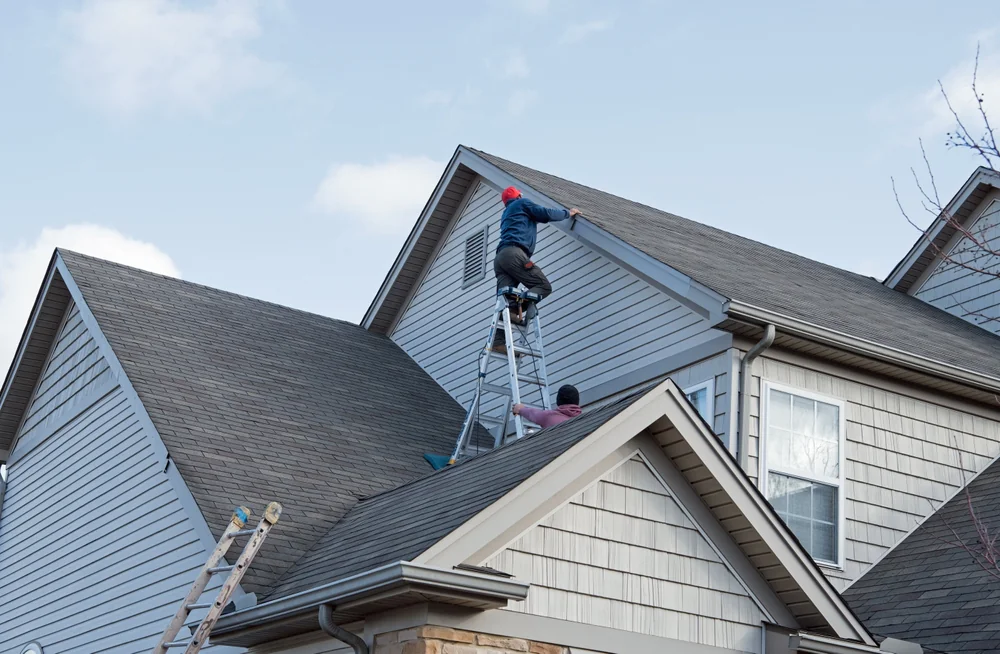
You’re not looking for a roof lecture. You need someone who shows up, figures out what’s wrong, and fixes it before the next storm rolls through.
New Hampshire weather doesn’t wait. Ice dams in January, wind damage in March, hail in summer. Your roof handles all of it until it can’t anymore. That’s when small problems turn into ceiling stains, insulation damage, and repair bills that make you wince.
We handle roof repairs the way you’d want them done on your own house. Show up when we say we will. Give you a straight answer about what needs fixing and what can wait. Use materials that actually hold up to Greenville winters. Then finish the job so you can stop thinking about your roof and get back to everything else.
You get documentation for insurance claims if you need it. You get emergency response when a storm hits and you’ve got a tarp situation at 11 PM. You get someone who’s been doing this since 2012 and knows the difference between a quick fix and a real repair.
Paradise Remodeling Inc started as a home improvement contractor serving Massachusetts and New Hampshire. Twelve years later, we’re still here because we show up and do the work right.
We’re Owens Corning Preferred Contractors, which means we meet their standards for quality and reliability. We use Mule Hide roofing products because they hold up to the freeze-thaw cycles and weather swings that Greenville sees every year.
Greenville homeowners deal with real weather. Twenty-one billion-dollar weather events have hit New Hampshire since 1980. Your roof is the first line of defense, and when it fails, everything inside is at risk. We get that, which is why we treat emergency calls like emergencies and give you realistic timelines instead of overpromising.

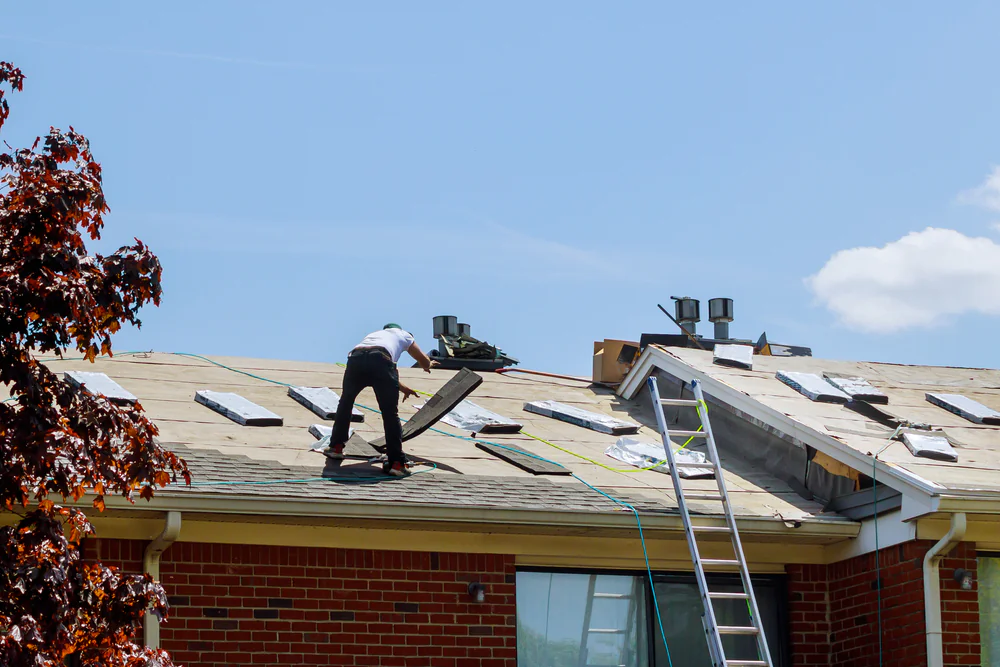
First, we come out and actually look at your roof. Not a quick glance from the driveway—we get up there and inspect the damage, check for issues you can’t see from the ground, and document everything with photos.
Then we give you options. If it’s an emergency leak, we’ll tarp it or do temporary repairs the same day to stop further damage. If it’s storm damage that insurance might cover, we’ll document it properly so your claim doesn’t get denied over missing details.
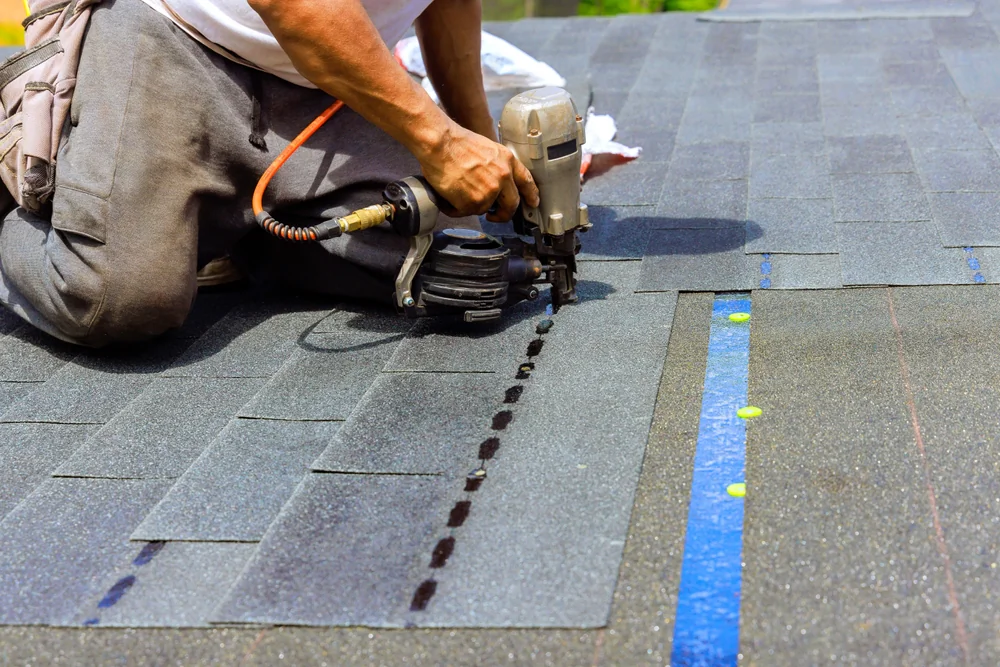
Once you approve the work, we schedule it and stick to that schedule. We order materials, show up when we say we will, and finish the repair correctly. No shortcuts, no “we’ll come back and fix that later” promises that never happen.
You get a clear timeline upfront. Most repairs take a few days depending on weather and scope. Bigger jobs take longer, and we’ll tell you that before we start. When we’re done, we clean up the site and walk you through what we did so you know exactly what you’re paying for.
Ready to get started?
Roof repair isn’t one-size-fits-all. What you need depends on what’s broken. We handle leak repairs, shingle replacement, flashing repairs, storm damage fixes, ice dam removal, and structural repairs when decking or rafters are compromised.
Greenville sees heavy snow loads every winter. Ice dams form when heat escapes through your roof, melts snow, and that water refreezes at the eaves. The ice backs up under shingles and leaks into your home. We remove the dams, fix the damage, and can address ventilation issues that cause them in the first place.
Wind and hail damage show up after storms. Missing shingles, dented flashing, cracked tiles. We assess the full scope, not just the obvious damage. Insurance companies want documentation, and we provide it—measurements, photos, material lists. That documentation is the difference between a check and a denial.
You also get access to emergency services. Storms don’t punch a clock, and neither do we when your roof is actively leaking. We’ll get someone out to stop the immediate damage, then schedule the permanent repair once conditions allow.

Most roof repairs in this area run between $380 and $1,800, with the average landing around $1,100. But that’s a wide range because every repair is different.
A simple shingle replacement after wind damage might cost a few hundred dollars. A leak that’s damaged decking and insulation will cost more because there’s more to fix. Ice dam damage can vary wildly depending on how long water’s been getting in.
We give you a written estimate before we start work. No surprises, no “well, we found this other thing” upcharges unless we actually find something that wasn’t visible during the initial inspection. If that happens, we stop and show you the issue before doing additional work. You decide whether to fix it now or address it later.
Maybe. It depends on your policy, your deductible, and how well the damage is documented.
Insurance covers sudden damage from storms, hail, wind, and falling trees. It typically doesn’t cover wear and tear, age-related deterioration, or damage from lack of maintenance. If your shingles are 20 years old and failing, that’s probably not covered. If a tree branch punched a hole in your roof last Tuesday, that probably is.
The key is documentation. Insurance adjusters want photos, measurements, and proof that the damage came from a specific event. We document everything during our inspection—where the damage is, what caused it, what needs to be replaced. That documentation supports your claim and makes it harder for insurers to lowball you or deny coverage.
About 26% of roofing projects get insurance coverage compared to just 2% of other home improvements. That tells you storms are a major driver of roof repairs, and insurers expect these claims. File promptly, document thoroughly, and don’t let them talk you into a repair that won’t actually fix the problem.
We offer 24/7 emergency response because roof leaks don’t wait for business hours. When you’ve got water coming in, every hour matters.
For true emergencies—active leaks, storm damage, structural issues—we’ll get someone out the same day in most cases. Our goal is to stop the immediate damage with tarping or temporary repairs, then schedule the permanent fix once we’ve assessed everything and you’ve approved the work.
Response time depends on weather conditions and how many other emergencies are happening. After a major storm, we triage based on severity. A leak that’s actively pouring into your living room gets priority over missing shingles that aren’t currently causing water intrusion.
When you call, we’ll give you a realistic timeframe. If we can be there in two hours, we’ll say that. If it’s going to be six hours because we’re finishing another emergency, we’ll tell you that too and talk through temporary measures you can take while waiting.
Repair fixes specific damaged areas. Replacement tears off the old roof and installs a new one. Which you need depends on the extent of damage and the age of your current roof.
If you’ve got localized damage—a section of missing shingles, a leak around a chimney, hail damage in one area—repair makes sense. You’re fixing what’s broken and leaving the rest alone. That’s almost always cheaper and faster than replacement.
Replacement makes sense when damage is widespread, your roof is near the end of its lifespan anyway, or you’ve got underlying structural issues. If your roof is 18 years old and you’re repairing it for the third time in two years, replacement is probably the smarter financial move.
We’ll tell you honestly which option makes sense for your situation. Sometimes a repair buys you a few more years before you need to replace. Sometimes it’s throwing money at a roof that’s going to fail anyway. We’re not going to upsell you on a replacement if a repair will actually solve your problem.
Ice dams form along your roof edge when snow melts, runs down, and refreezes at the eaves. The ice builds up and forces water back under your shingles. That water leaks into your home.
Signs of ice dam damage include water stains on ceilings or walls near the roofline, icicles hanging from gutters, ice buildup at roof edges, and sagging gutters. Inside, you might see peeling paint, warped walls, or wet insulation in your attic.
The damage happens because water is getting where it shouldn’t. Once it’s under your shingles, it can soak into decking, drip into insulation, and run down inside your walls. By the time you see a ceiling stain, water’s been getting in for a while.
We remove ice dams safely without damaging your roof further, then assess what the water damaged. Sometimes it’s just shingles. Sometimes it’s decking and insulation too. We also look at what’s causing the dams—usually heat loss and poor ventilation—so you can address the root cause and prevent it from happening every winter.
Yes. Every day you wait, water has more opportunity to get into places it shouldn’t be.
A small leak doesn’t stay small. Water follows the path of least resistance, spreading across decking, soaking insulation, and eventually dripping through your ceiling. What starts as a $500 shingle repair can turn into a $3,000 job once you factor in rotted decking, ruined insulation, and interior ceiling repairs.
Storm damage is the same. A few missing shingles expose the underlayment to UV damage and weather. The next rain might not leak, but the one after that could. Wind gets under loose shingles and tears off more. Small problems compound.
The other risk is secondary damage you can’t see. Water in your attic can cause mold growth. Wet insulation loses its R-value and doesn’t dry out on its own. Rotted decking compromises structural integrity. These issues cost more to fix than the original leak would have.
Get it looked at sooner rather than later. Even if you can’t afford the full repair right away, we can do temporary fixes to stop further damage while you figure out financing or wait for insurance. Doing nothing is always the most expensive option.
Other Services we provide in Greenville