Hear from Our Customers
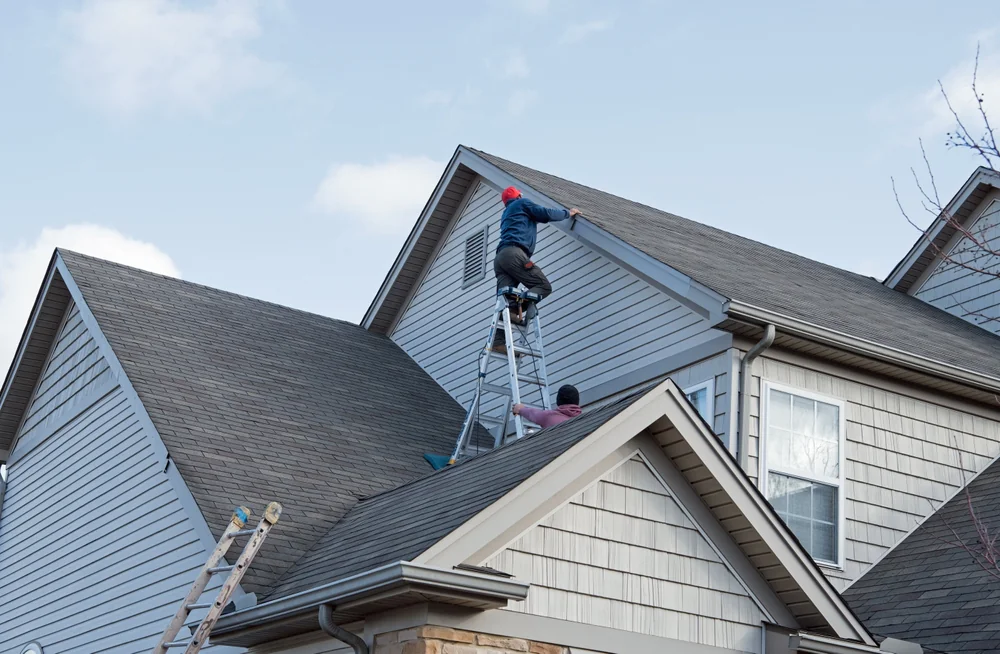
A leaking roof doesn’t announce itself with fanfare. You notice a stain on the ceiling, or maybe water dripping during the last storm. By then, the damage has already started spreading through insulation, framing, and drywall.
Fast roof repair stops that progression cold. You’re not just patching shingles—you’re preventing thousands in water damage, mold remediation, and structural repairs down the line.
New Hampshire’s freeze-thaw cycles make small problems worse fast. Ice dams form, shingles crack, and what started as a minor leak becomes a major headache. Getting it fixed now means your home stays dry, your heating bills don’t spike from compromised insulation, and you’re not scrambling to find a contractor during the next storm when everyone else is calling too.
We’ve been handling roof repairs across Deerfield, NH and the surrounding areas since 2004. We’re certified with GAF, IKO, CertainTeed, and GenFlex—certifications that require verified insurance, licensing, and proven experience, not just a fee.
Every job gets overseen by our full-time safety officer. We’re OSHA-certified because roofing is dangerous work, and cutting corners puts everyone at risk. You get crews who know what they’re doing, insurance that actually covers the work, and warranties backed by the industry’s top manufacturers.
We work directly with your insurance company when storm damage is involved. That means documentation done right, claims filed correctly, and less hassle for you during an already stressful situation.

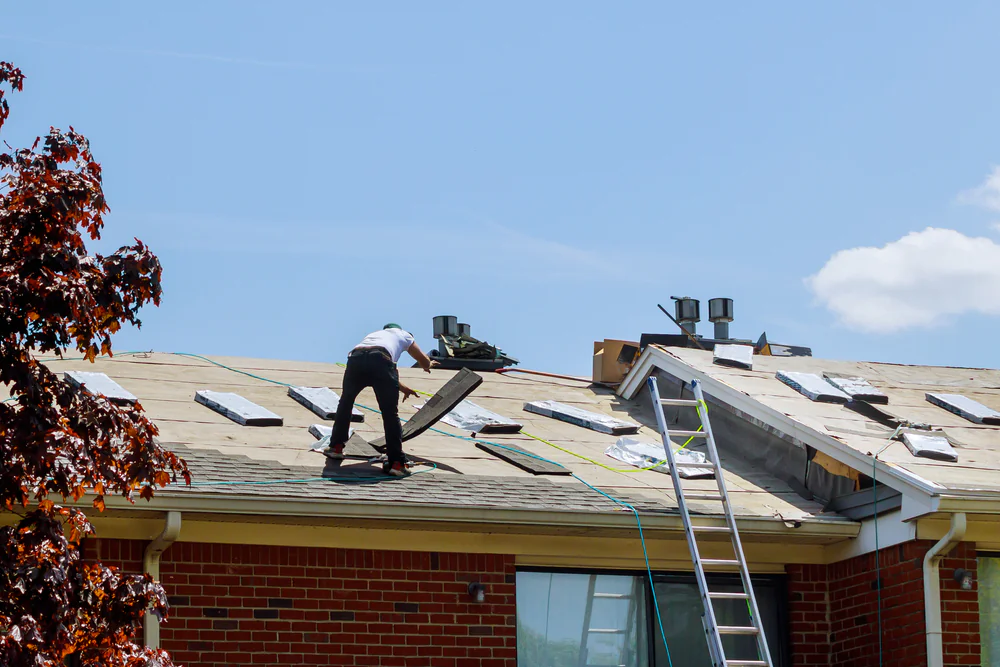
First, we schedule an inspection—usually within a day or two, faster if it’s an emergency. We come out, get on the roof, and identify exactly what’s wrong. Not just the obvious damage, but what’s happening underneath that you can’t see from the ground.
You get a detailed assessment with photos. We explain what needs fixing now, what can wait, and why. If insurance is involved, we document everything they’ll need to process your claim.
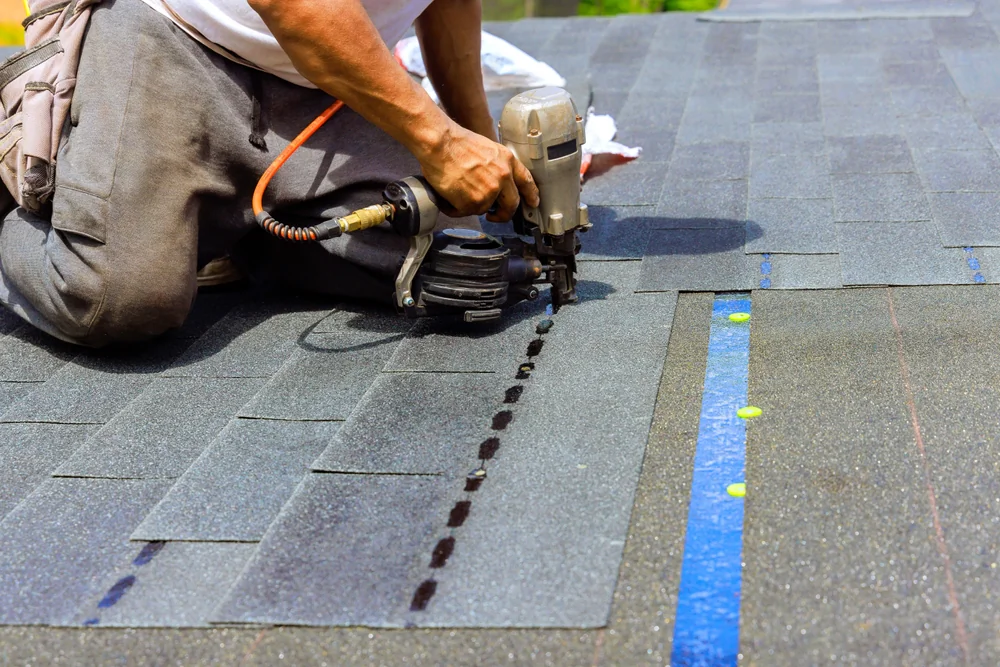
Once you approve the work, we order materials and schedule the repair. Most jobs wrap up in a day or two, depending on extent and weather. We handle permits, follow local building codes, and clean up completely when we’re done. You’re left with a roof that works, documentation for your records, and a warranty that covers both materials and labor.
Ready to get started?
Roof repairs in Deerfield, NH typically address storm damage—missing or cracked shingles from wind, ice dam damage from heavy snow, and leaks that develop when New Hampshire’s temperature swings create expansion and contraction in roofing materials.
We replace damaged shingles, reseal flashing around chimneys and vents, repair underlayment if water’s gotten through, and address any structural issues in the decking. If your roof’s been compromised by ice dams, we fix the immediate damage and can discuss ventilation improvements to prevent future problems.
Deerfield homes face unique challenges. The area gets significant snowfall, and spring melt-freeze cycles are brutal on roofing systems. We use materials rated for New Hampshire’s climate—products from GenFlex and Mule Hide that handle temperature extremes and moisture without failing prematurely. The goal isn’t just fixing what’s broken today. It’s making sure the repair holds up through next winter and the one after that.

If the damage is localized—a section of missing shingles, a leak around a chimney, or storm damage in one area—repair usually makes sense. You’re looking at a few hundred to a couple thousand dollars instead of $10,000-plus for a full replacement.
Full replacement becomes necessary when damage is widespread, your roof is near the end of its lifespan (most asphalt shingles last 20-25 years in New Hampshire), or you’re dealing with multiple leaks and ongoing problems. If more than 30% of your roof needs work, replacement often costs less in the long run than piecemeal repairs.
During the inspection, we’ll tell you honestly which situation you’re in. There’s no point doing a $2,000 repair on a roof that needs replacing in two years. But if your roof has another decade of life and just needs a section fixed, that’s what we’ll recommend.
Most policies cover sudden damage from storms—wind tearing off shingles, hail impact, falling tree limbs, or ice dam damage. They typically don’t cover wear and tear, aging, or damage from deferred maintenance.
The key is documentation. Insurance companies want proof of what happened, when it happened, and that the damage came from a covered event. We provide detailed inspection reports with photos showing the damage and its likely cause.
If your claim gets approved, insurance usually covers the repair cost minus your deductible. We work directly with adjusters, provide the documentation they need, and handle the back-and-forth so you’re not stuck playing middleman. File the claim quickly after damage occurs—waiting months makes it harder to prove the damage came from a specific storm.
Most repairs finish in one to two days. Replacing a section of damaged shingles, resealing flashing, or fixing a localized leak rarely takes longer than that once we’re on site.
Larger repairs—extensive storm damage, structural decking replacement, or work that involves multiple roof sections—might stretch to three or four days. Weather plays a role too. We can’t install shingles in heavy rain or when temperatures drop too low for adhesives to seal properly.
Emergency repairs happen faster. If you’ve got active leaking and need it stopped now, we can often get someone out same-day or next-day to tarp the area and prevent further water intrusion. The permanent repair gets scheduled shortly after, but at least your home is protected in the meantime.
Ice dams are the biggest culprit. Snow melts on the warm upper sections of your roof, runs down, and refreezes at the colder eaves. That ice backs up under shingles and forces water into your home. Proper attic ventilation and insulation help, but New Hampshire winters are harsh and ice dams happen even on well-maintained roofs.
Wind damage is common too. Strong storms lift shingle edges, break the seal, or tear them off completely. Once shingles are compromised, water gets underneath during the next rain. Flashing around chimneys, skylights, and vents also fails over time—the sealant degrades, metal corrodes, and water finds its way through.
Temperature swings cause expansion and contraction in roofing materials. Over years, this creates small cracks and gaps. Add in falling branches, accumulated debris in valleys, and normal aging, and you’ve got multiple potential failure points. Regular inspections catch these issues before they become leaks.
Waiting makes the problem worse and potentially more expensive. Even if the leak seems minor, water is getting into places it shouldn’t be—insulation, wood framing, ceiling materials. Mold starts growing within 24-48 hours in damp conditions.
New Hampshire’s freeze-thaw cycles mean any opening in your roof expands. Water seeps in, freezes, expands, and makes the gap bigger. By spring, what could have been a simple shingle replacement might involve replacing water-damaged decking and dealing with interior damage.
Insurance companies also look at timing. If you wait months to file a claim or get repairs done, they may question whether the damage really came from the storm you’re claiming. Getting it fixed quickly protects your home and strengthens your insurance position if you need to file.
Verify they’re licensed, insured, and bonded. Ask for proof—certificate of insurance with current dates and adequate coverage amounts. If someone gets hurt on your property and the contractor isn’t properly insured, you could be liable.
Check manufacturer certifications. Companies certified by GAF, CertainTeed, IKO, or other major manufacturers have met specific standards for experience, customer satisfaction, and business practices. These certifications also allow them to offer better warranties than non-certified contractors can provide.
Look for local experience. Someone who’s been fixing roofs in New Hampshire for years understands ice dams, knows which materials hold up in this climate, and has relationships with local suppliers for faster material delivery. Ask how they handle insurance claims if that’s relevant to your situation. Get everything in writing—scope of work, materials being used, timeline, total cost, and warranty terms.
Other Services we provide in Deerfield