Hear from Our Customers
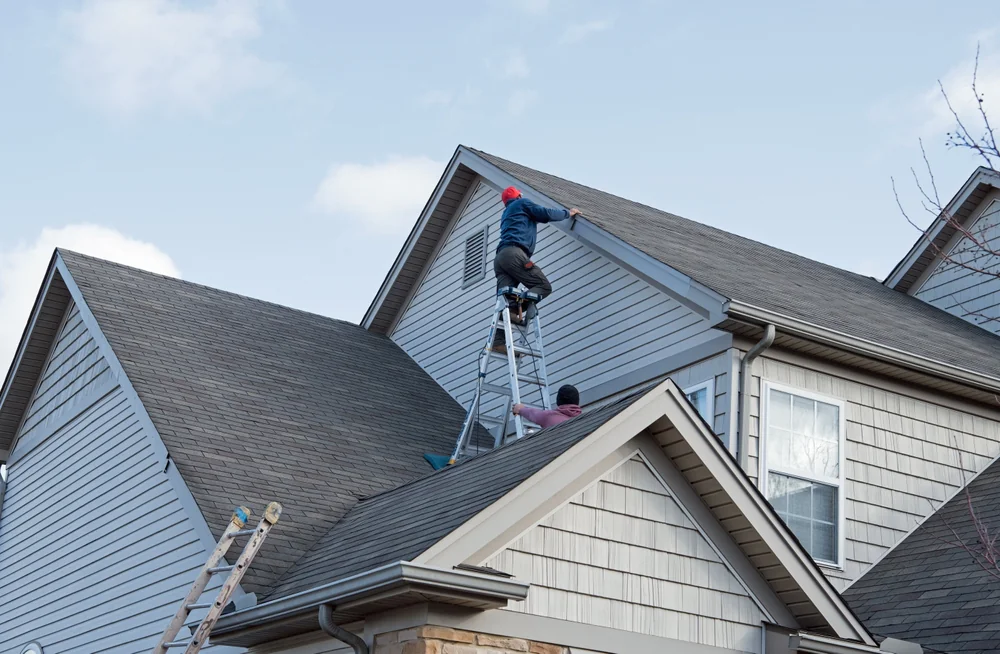
A leaking roof doesn’t care about your schedule. Water finds its way in during the worst storms, and by the time you notice the stain on your ceiling, the damage is already spreading through insulation and framing.
You need someone who can assess the real problem, not just patch the obvious spot. Most roof leaks start small—a lifted shingle after high winds, ice dam damage from heavy snow, or flashing that’s pulled away around your chimney. Left alone, that small issue becomes a bigger repair bill.
We handle roof repairs the way they should be done: find the source, fix it properly with quality materials, and make sure it’s actually sealed against New Hampshire weather. You get a roof that holds up through the next storm, not just a temporary patch that fails in six months.
We’ve been handling roof repairs and home restoration work since 2012. We’re an Owens Corning Preferred Contractor, which means we meet their standards for quality work and customer service—not just anyone gets that designation.
We know what Danville roofs deal with. The temperature swings, the ice, the heavy wet snow that piles up and creates problems most southern roofers have never seen. We’ve repaired roofs after nor’easters, handled ice dam damage, and fixed storm damage from falling branches more times than we can count.
You’re not getting a fly-by-night crew that disappears after the check clears. You’re working with a local contractor who’s been doing this for over a decade and plans to be here for the next one.

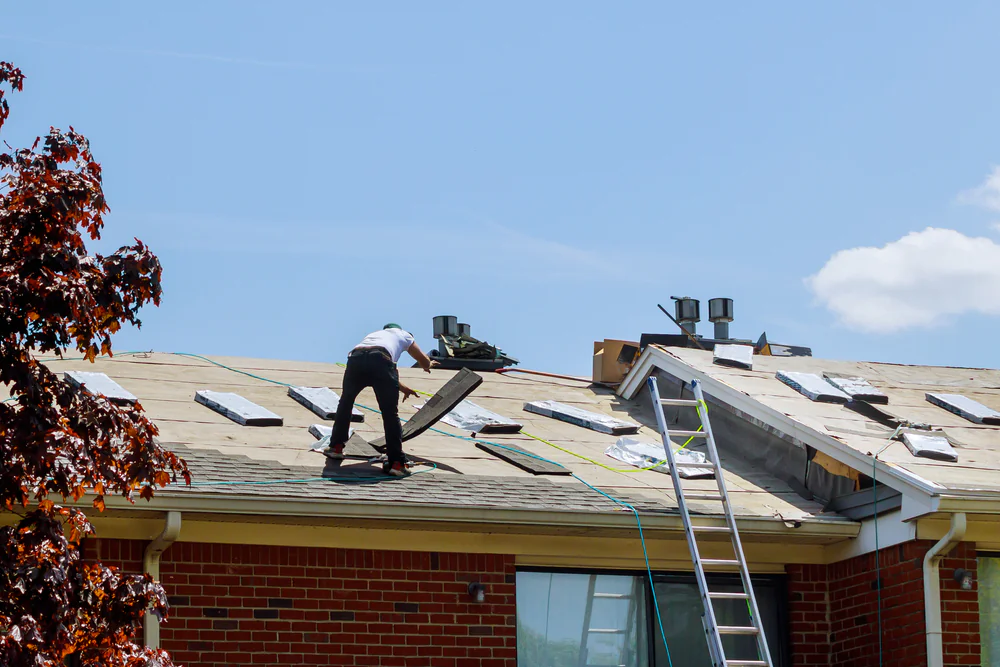
First, we actually look at your roof. Not just the spot where you see the leak inside, but the whole area where water could be getting in. Leaks rarely show up directly below where they start.
We’ll tell you what’s damaged, what caused it, and what it takes to fix it properly. If it’s storm damage that insurance should cover, we document everything you need for your claim. No guessing, no upselling—just a clear explanation of what needs to happen.
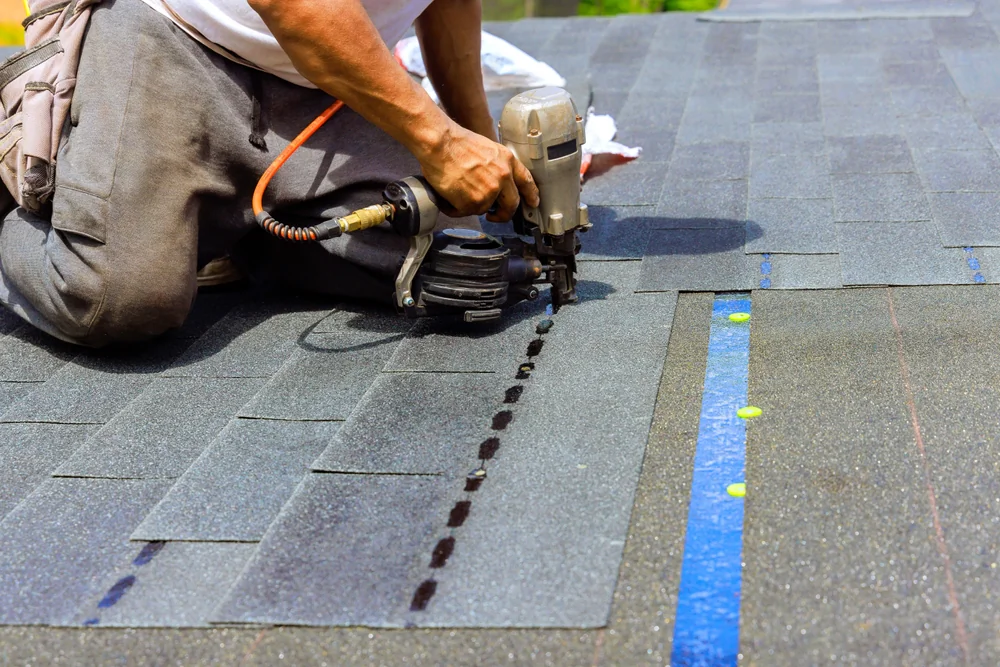
Then we fix it using materials that match your existing roof and actually hold up. Mule Hide products for flat or low-slope areas. Quality shingles that meet New Hampshire building codes. Proper flashing and sealant that won’t crack when temperatures drop.
Most repairs get done in a day, depending on extent and weather. Emergency repairs that stop active leaking happen faster—sometimes same day if you call early enough. When we’re finished, we clean up the work area and show you what we did.
Ready to get started?
Roof repair covers more than just replacing a few shingles. Depending on what’s wrong, you might need flashing work around chimneys or vents, valley repairs where two roof planes meet, or fascia replacement if water’s been getting behind your gutters.
In Danville, storm damage is the most common reason people call. High winds lift shingles or tear them off completely. Ice dams force water under your roof edge. Heavy snow loads stress older roofs. We handle all of it, and we know how to work with insurance companies when weather causes the damage.
The typical roof repair in this area runs between $380 and $1,800, with most homeowners spending around $1,100. That’s for standard repairs—emergency work or extensive damage costs more, but you’ll know the price before we start. Size of the damaged area, type of roofing material, and how accessible your roof is all factor into final cost.
We also handle the insurance paperwork if your damage qualifies for a claim. That means detailed documentation, photos, and a repair estimate your insurance company can actually work with. Most policies cover sudden storm damage but not gradual wear, so we make sure you know what to expect before you file.

If you call before noon and we’re not already on an emergency job, we can usually get someone out the same day to stop active leaking. That might mean a temporary patch to get you through the immediate crisis, with a permanent repair scheduled within a few days once we have the right materials on hand.
Emergency repairs focus on stopping water intrusion right now. We tarp the area if needed, seal obvious entry points, and make sure you’re not getting more water damage while we line up the full repair. New Hampshire weather doesn’t wait, and neither should you when water’s coming in.
The permanent fix happens as soon as possible after that—usually within three to five days depending on weather and material availability. We don’t leave you with a tarp on your roof for weeks. We get the actual repair done so you can stop worrying about the next rainstorm.
It depends on what caused the damage. Insurance typically covers sudden events like storm damage from high winds, hail, falling trees, or ice dams. They don’t cover gradual wear and tear, aging shingles, or damage from lack of maintenance.
If a storm just came through and your roof is leaking, there’s a good chance your claim will be approved. We document everything—take photos, measure the damaged area, note what caused it, and provide a detailed estimate. That documentation matters when you file your claim.
Most policies have a deductible between $500 and $2,500. If your repair costs less than your deductible, insurance won’t pay anything. If it costs more, they cover the difference. We’ve worked with enough insurance companies to know what they look for, and we can tell you upfront whether filing a claim makes sense for your situation.
If the damage is localized to one area—a section of shingles blown off, a valley that’s leaking, flashing around a chimney—repair makes sense. If you’re seeing problems in multiple areas, your shingles are curling or losing granules across the whole roof, or the roof is over 20 years old, replacement is probably the better investment.
We’ll be straight with you about which makes more financial sense. Sometimes people spend $1,500 on a repair only to need a full replacement two years later. That’s money you could have put toward the new roof. Other times, a roof with 10 years of life left just needs a $600 repair, and replacing it early wastes money.
Age, overall condition, and extent of damage all factor in. We look at the whole picture and tell you what we’d do if it was our house. No pressure either way—you decide what makes sense for your budget and timeline.
Ice dams are the biggest culprit. When heat escapes through your roof, it melts snow on the upper sections. That water runs down and refreezes at the colder roof edge, creating a dam. More meltwater backs up behind it and eventually works its way under your shingles.
You’ll see the evidence—icicles hanging from your gutters, ice buildup at the roof edge, and water stains on your ceilings near exterior walls. The solution isn’t just removing the ice. You need proper attic insulation and ventilation to prevent heat loss, plus repairs to any areas where water already got in.
The other common winter issue is shingle damage from temperature swings. Asphalt shingles get brittle in extreme cold. When temperatures suddenly warm up, they expand. That cycle of freezing and thawing can crack older shingles or cause fasteners to back out. We see this most on south-facing roof sections that get direct sun during the day and drop below freezing at night.
Most standard repairs take four to eight hours, which means we’re done in one day. That includes setup, the actual repair work, cleanup, and a final inspection to make sure everything’s sealed properly. Smaller jobs like replacing a few shingles or resealing flashing might only take two to three hours.
Larger repairs—like fixing extensive storm damage, replacing multiple sections, or dealing with underlying deck damage—can take two to three days. Weather plays a role too. We can’t install certain materials in freezing temperatures or during rain, so winter repairs sometimes take longer due to weather windows.
You’ll know the timeline before we start. We’re not going to leave your roof torn up overnight unless absolutely necessary, and if we do need multiple days, we make sure everything’s weatherproofed at the end of each work day. Your house stays dry while we’re working, not just after we’re finished.
Yes. We repair asphalt shingle roofs, which are most common in Danville, plus metal roofing, flat or low-slope roofs with rubber or TPO membranes, and older homes with slate or tile. Each material requires different techniques and specific products to repair correctly.
Asphalt shingles are straightforward—match the existing shingle style and color, replace damaged ones, seal everything properly. Metal roofing needs specialized fasteners and sealants that won’t corrode. Flat roofs require membrane patches and proper adhesion techniques. Slate and tile are more delicate and expensive to repair, but we’ve handled plenty of historic homes with those materials.
The key is using the right approach for your specific roof type. A repair method that works great on asphalt shingles will fail on a rubber membrane roof. We stock materials for common roof types and can source specialty products for less common installations. Whatever’s on your roof now, we’ve probably repaired it before.