Hear from Our Customers
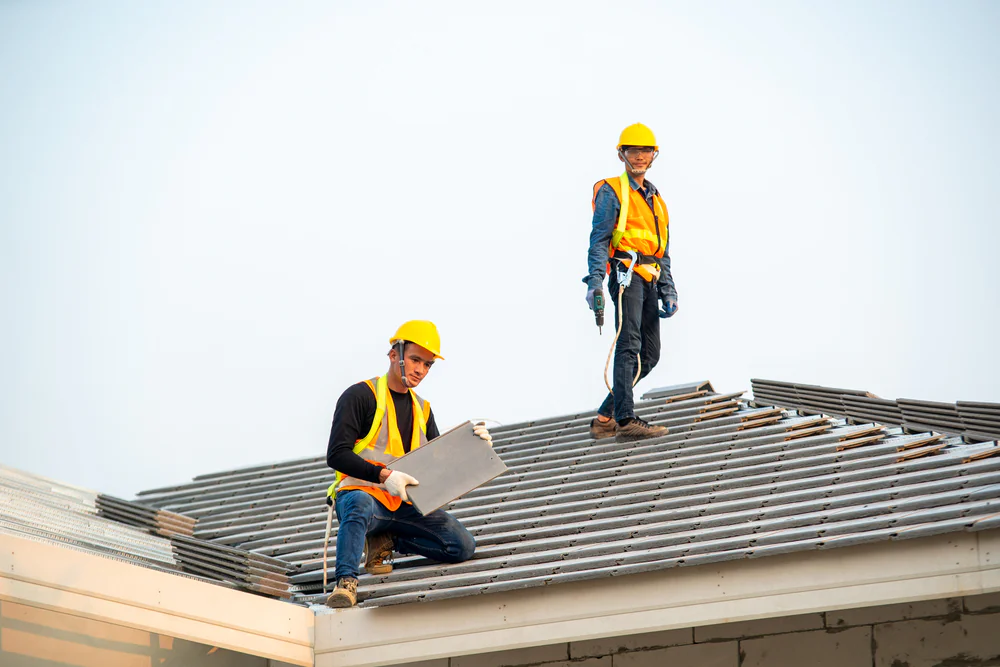
You’re not looking for the cheapest roof. You’re looking for one that won’t leak in March when the ice dams form, won’t blow off during a nor’easter, and won’t need replacing again in five years.
That’s what proper roofing does. It keeps water out of your insulation. It keeps your energy bills from spiking every winter. It means you’re not calling for emergency repairs every time the temperature drops below freezing.
A solid roof in Windsor means you can ignore the forecast instead of dreading it. No more wondering if that ceiling stain is getting worse. No more tarps, buckets, or “we’ll deal with it in spring.” Just a roof that does its job so you can stop thinking about it.
We’re an Owens Corning Preferred Contractor, which means we meet their standards for quality and reliability. Our BuildZoom score puts us in the top 8% of Massachusetts contractors, and we’ve been serving Windsor and the surrounding New Hampshire area for over a decade.
We’re licensed, insured, and we understand what New Hampshire weather does to roofs. The freeze-thaw cycles, the ice buildup, the heavy snow loads—we’ve seen it all, and we know which materials and installation methods actually hold up here.
You’re not getting a sales pitch from us. You’re getting straight answers about what your roof needs, what it’ll cost, and how long it’ll take.
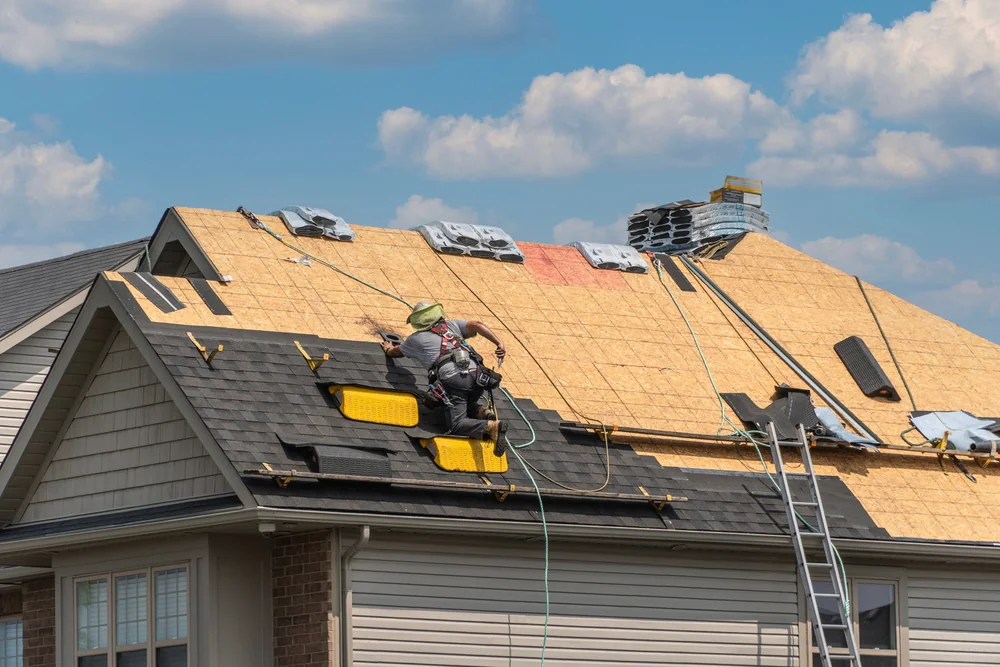
First, we come out and actually look at your roof. Not a five-minute glance from the driveway—a real inspection. We check for storm damage, worn shingles, flashing issues, ventilation problems, and anything else that could cause trouble down the line.
Then we give you a clear estimate. No hidden fees, no surprise charges later. You’ll know what materials we’re using, why we’re recommending them for Windsor’s climate, and what the timeline looks like.
Once you’re ready to move forward, we handle the permits and schedule the work during a weather window that makes sense. Our crew shows up when we say they will, protects your property during the job, and cleans up completely when we’re done. You get a roof that’s installed right the first time, with materials that are built for New Hampshire winters. And if anything comes up during the project, you’ll know about it immediately—no surprises at the end.
Ready to get started?
Roof replacement in Windsor means dealing with the reality of New Hampshire weather. We use materials rated for freeze-thaw cycles and high wind speeds because anything less won’t last here. Asphalt shingles are popular for good reason—they’re affordable, durable, and they handle the temperature swings we get between seasons.
For repairs, we’re looking at the actual problem, not just the symptom. A leak might show up in your ceiling, but the cause could be damaged flashing, missing shingles, or ice dam damage from last winter. We find it and fix it properly so you’re not calling us back in six months.
Roof maintenance matters more here than in milder climates. Regular inspections catch small issues before they become expensive ones. We check your shingles, flashing, gutters, and ventilation to make sure everything’s working the way it should. Spring and fall are the best times for this—after winter’s done its damage and before the next one hits. Most Windsor homeowners don’t think about their roof until there’s a problem, but the ones who do save money in the long run.

For a typical 2,500 square foot home in Windsor, you’re looking at somewhere between $13,600 and $19,000 for a complete asphalt shingle roof replacement. That range depends on your roof’s pitch, how many layers need to come off, whether there’s any decking damage, and what shingle grade you choose.
Steeper roofs cost more because they’re harder to work on safely. If we find rotted decking when we pull off the old shingles, that’s additional material and labor. And higher-grade shingles with better wind and impact ratings will push you toward the top of that range, but they also last longer in New Hampshire’s climate.
The price includes tear-off, disposal, new underlayment, shingles, flashing, ridge vents, and cleanup. We don’t give you a low number and then add fees later. What we quote is what you pay unless we find something unexpected—and if we do, we’ll tell you before we proceed.
Late spring through early fall—basically May through October. That’s when temperatures are warm enough for shingle adhesive to seal properly and you’re less likely to get hit with a surprise storm mid-project.
Summer is peak season, which means roofing contractors fill their schedules fast. If you know you need a new roof, don’t wait until July to call. By then, you might be looking at a September or October install, and you’re gambling on weather. Early spring bookings give you better scheduling options.
Winter installations are possible but not ideal. Shingles don’t seal as well in cold temperatures, and working on an icy roof is dangerous. If you have an emergency—like storm damage that can’t wait—we can handle it, but planned replacements should happen when conditions are right. You’re spending serious money on this. Might as well set it up for success.
If your roof is under 15 years old and the damage is localized—like a section of shingles blown off in a storm or flashing that’s come loose—repair usually makes sense. You’re fixing the problem without replacing material that’s still good.
But if your roof is over 20 years old, you’re seeing shingles curling or losing granules across the whole roof, or you’ve got multiple leaks in different areas, replacement is the smarter move. At that point, you’re not just fixing damage—you’re trying to extend the life of a roof that’s already at the end of its run. Repairs become a temporary patch, and you’ll likely be replacing it within a few years anyway.
The in-between cases—roofs that are 15-20 years old with moderate damage—depend on the specifics. We’ll tell you honestly whether a repair buys you meaningful time or if you’re just delaying the inevitable. Nobody wants to spend money twice.
It depends on what caused the damage and what your policy covers. Most homeowner’s insurance in New Hampshire covers sudden damage from wind, hail, or falling trees. If a storm rips shingles off your roof or a branch punches through, that’s typically covered minus your deductible.
What insurance doesn’t usually cover is damage from lack of maintenance or normal wear and tear. If your 25-year-old roof finally gives out, that’s on you. If ice dams form because your attic ventilation is inadequate, the insurance company might deny the claim.
Here’s the thing: you need to document everything and file quickly. Take photos of the damage right after the storm. Get an inspection from a roofing contractor who can provide a detailed report. Insurance adjusters don’t always catch everything, and having a professional assessment helps your case. We’ve worked with plenty of insurance claims in Windsor, and we can tell you what’s worth filing and what isn’t.
Asphalt shingles are the most common choice in Windsor because they handle freeze-thaw cycles well and they’re cost-effective. Look for shingles rated for high wind speeds and impact resistance—New Hampshire gets both. Architectural shingles are thicker and more durable than basic three-tab shingles, and they’re worth the extra cost if you plan to stay in your home long-term.
Metal roofing is another solid option, especially if you’re dealing with heavy snow loads or ice dams. Snow slides off metal more easily, which reduces the risk of ice buildup at the eaves. Metal roofs cost more upfront, but they last 40-50 years compared to 20-30 for asphalt. The math works if you’re thinking long-term.
Slate and tile look great, but they’re expensive and they’re heavy—your roof structure needs to support the weight. Most homes in Windsor aren’t built for it unless they were designed that way from the start. Whatever material you choose, proper installation matters more than the product itself. The best shingles in the world won’t help you if the underlayment is wrong or the flashing is poorly done.
Most residential roof replacements take two to four days depending on the size of your home, the complexity of the roof, and the weather. A straightforward ranch with a simple roofline might be done in two days. A larger two-story home with multiple valleys, dormers, and steep pitches could take four.
Weather delays happen, especially in New Hampshire. If rain’s in the forecast, we’ll pause the work rather than risk water getting into your open roof. We’re not going to rush through a job just to meet a deadline and leave you with problems later.
The process goes like this: Day one is usually tear-off and inspection of the decking. If we find rot or damage, we replace those sections before moving forward. Then we install underlayment, flashing, and start laying shingles. Final day is finishing the shingles, installing ridge vents, cleanup, and a final walkthrough with you. You’ll have a dumpster in your driveway for a few days, and it’ll be loud, but we keep the disruption as minimal as possible.