Hear from Our Customers
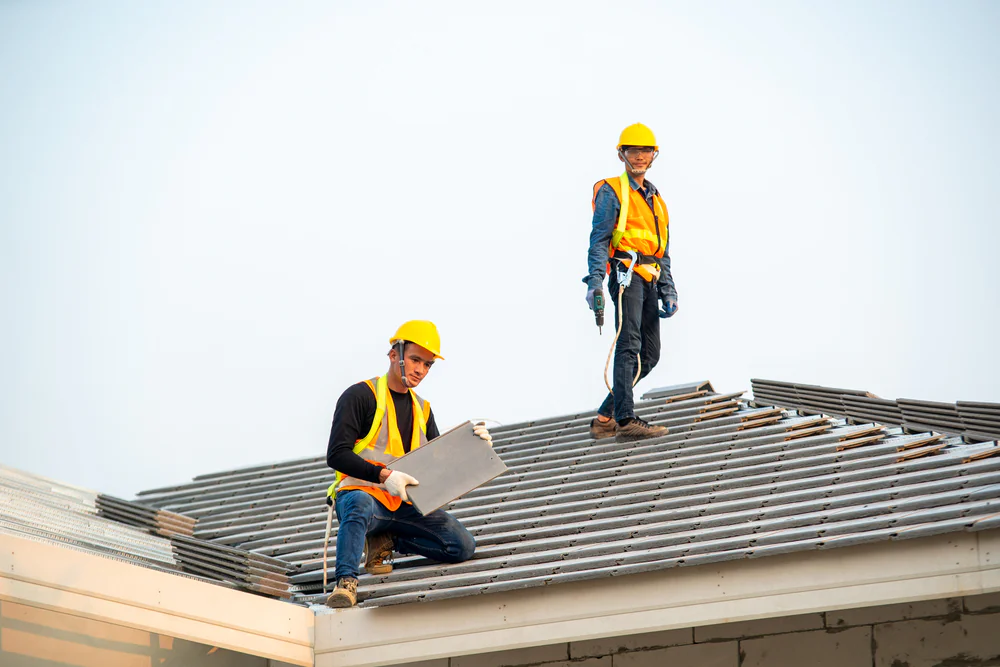
You stop worrying about the next rainstorm. Your attic stays dry, your energy bills drop, and you’re not calling for repairs every season.
A solid roof means you’re not scrambling for tarps when wind picks up. It means your insurance isn’t questioning whether damage was preventable. It means the next buyer sees a roof that’s got years left, not months.
You get materials built for New Hampshire weather—metal that sheds snow, shingles that grip through wind, and flashing that actually keeps water out. You get a crew that shows up when they say they will, cleans up the job site, and doesn’t leave nails in your driveway. You get a roof that does its job so you can stop thinking about it.
Paradise Remodeling Inc started as a home remodeling contractor in Massachusetts and expanded into New Hampshire because coastal properties need people who understand what salt air and nor’easters do to roofs. We’re an Owens Corning Preferred Contractor, which means we’ve met their standards for quality and customer service—not just once, but consistently.
Seabrook Beach has specific challenges. Homes here take more wind than properties inland. Gutters clog faster with beach debris. Ice dams form differently when you’re this close to the ocean. We’ve handled enough roofs in this area to know what fails first and what lasts.
We’re licensed, insured, and we work directly with your insurance when storm damage hits. No runaround, no surprises on the bill.
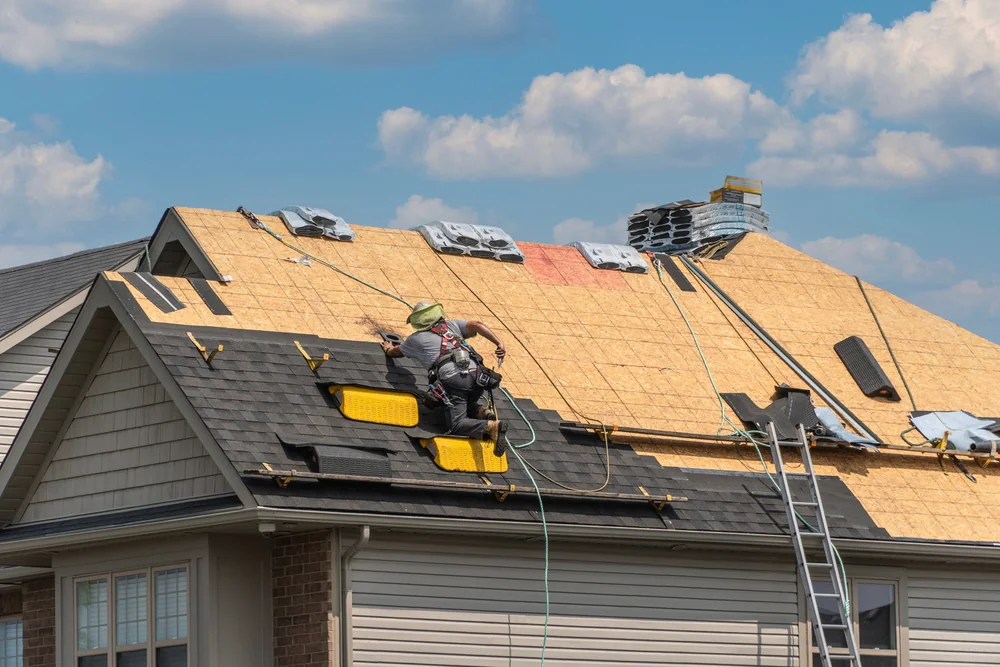
First, we come out and actually look at your roof—not just from the ground. We check for wind damage, missing shingles, flashing issues, and anything that’s letting water in. You get a clear estimate with no hidden fees.
If it’s an emergency, we get it weather-tight fast. Tarps, temporary patches, whatever stops the bleeding while we line up materials and schedule the full repair. If it’s a full replacement, we walk you through material options based on what works here—not what’s cheapest or what we have sitting in a warehouse.
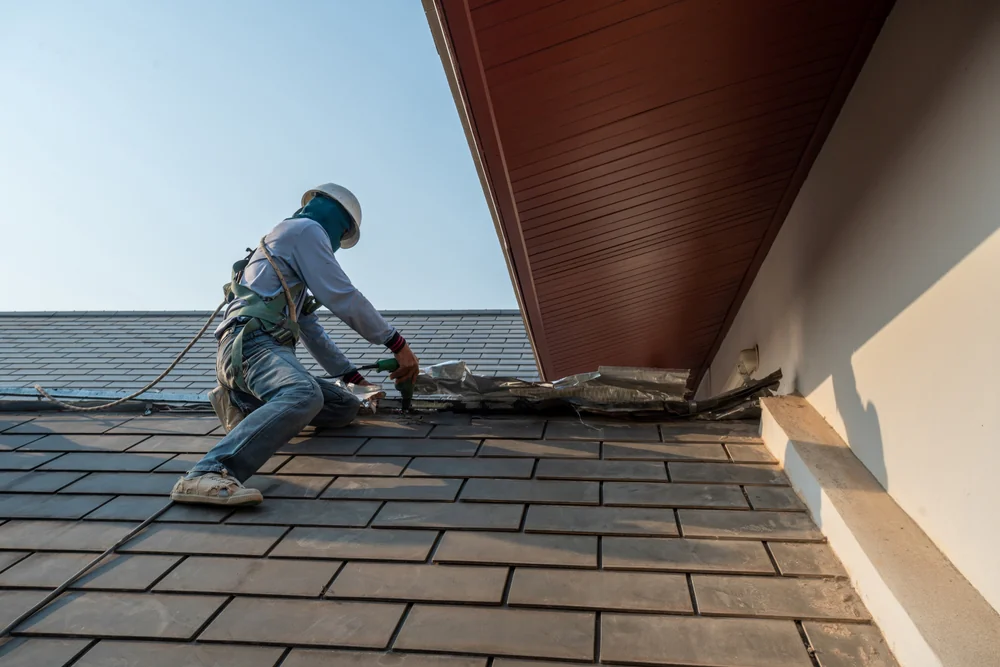
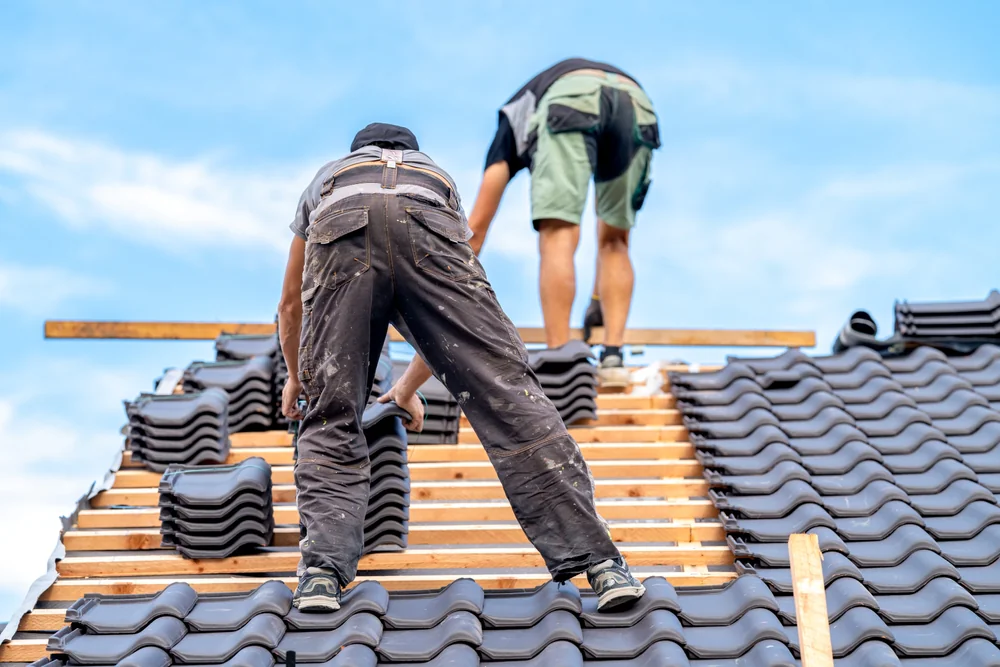
During the job, we protect your property. Tarps go down, magnetic rollers pick up nails, and debris gets hauled same-day. Our crew shows up on schedule, works efficiently, and doesn’t leave your yard looking like a construction zone. When we’re done, we walk the property with you to make sure everything’s clean and the roof’s doing what it should.
Ready to get started?
You’re getting a full roof assessment, not a quick glance from the driveway. We check ventilation, insulation issues, and structural concerns that most roofers skip because they’re focused on shingles.
Material options include asphalt shingles rated for high wind, metal roofing that lasts 50+ years, and underlayment that handles New Hampshire’s freeze-thaw cycles. We use Owens Corning and Mule Hide products because they hold up and come with real warranties. In Seabrook Beach, where salt air accelerates wear, material choice matters more than most roofers admit.
Every job includes proper flashing around chimneys and vents, new drip edge if yours is rusted, and ridge vents that actually move air through your attic. We handle the permit process, coordinate inspections, and work with your insurance adjuster if you’re filing a claim. You’re also getting job site protection—covered landscaping, plywood walkways if needed, and a final magnetic sweep for nails. The goal is a roof that outlasts the next owner and a yard that looks like we were never there.

Most full roof replacements in New Hampshire run between $8,000 and $15,000, but Seabrook Beach properties often land on the higher end. You’re paying for materials that handle coastal weather—higher wind ratings, better corrosion resistance, and underlayment that won’t fail when salt air gets under the shingles.
Size matters, but so does complexity. A simple gable roof costs less than a house with multiple valleys, dormers, and skylights. Steep pitch adds labor costs because it’s slower and requires more safety equipment. If your decking’s rotted or you need structural repairs, that’s additional.
Metal roofing runs $12,000 to $25,000 but lasts 50+ years and cuts energy costs by reflecting heat. Asphalt shingles are cheaper upfront but need replacement sooner. We give you options with real numbers, not ranges designed to get you on the phone. And if you’re filing an insurance claim for storm damage, we work directly with adjusters to make sure you’re covered for what you actually need.
Most residential roof replacements take two to four days if weather cooperates. Day one is tear-off and inspection—we pull old shingles, check the decking, and replace any rotted sections. Day two is underlayment, flashing, and starting the new shingles. Day three finishes shingles, ridge caps, and cleanup.
Seabrook Beach jobs sometimes take longer because coastal wind limits working conditions. We don’t install shingles in high wind—they won’t seal properly and you’ll have problems in six months. If a storm rolls in mid-job, we make sure everything’s tarped and secured, then pick back up when it’s safe.
Complexity adds time. If you’ve got multiple chimneys, skylights, or a steep pitch, expect four to five days. If we’re doing a full tear-off on a two-layer roof, add another day. We’ll give you a realistic timeline upfront and update you if anything changes. Most crews finish on schedule unless weather or hidden structural damage throws a wrench in things.
Metal roofing holds up best in Seabrook Beach because it handles wind, sheds snow, and doesn’t deteriorate from salt air like asphalt does. You’re looking at 50+ years of life, minimal maintenance, and energy savings because metal reflects heat instead of absorbing it. The upfront cost is higher, but you’re not replacing it in 20 years.
Architectural shingles are the next best option if metal’s not in the budget. Go for shingles rated for 130 mph winds minimum—standard shingles don’t cut it this close to the ocean. Brands like Owens Corning Duration or Mule Hide offer better wind resistance and longer warranties than builder-grade options. You’ll get 25 to 30 years if they’re installed correctly with proper underlayment and flashing.
Avoid three-tab shingles in coastal areas. They’re cheap, but they lift in wind and wear out faster from salt exposure. Also skip any roofer who suggests skipping ice and water shield or using standard felt underlayment—synthetic underlayment is worth the extra cost because it doesn’t tear or deteriorate when exposed during installation. In Seabrook Beach, your roof takes more abuse than properties 10 miles inland, so material quality isn’t optional.
Yes, you need a building permit for roof replacement in Seabrook Beach. The town requires it to make sure work meets code, especially for wind resistance and proper ventilation. Permits typically cost $100 to $300 depending on project size, and the town inspects the work before signing off.
Your roofing contractor should handle the permit process—pulling it, scheduling inspections, and making sure everything passes. If a roofer tells you permits aren’t necessary or offers a discount to skip them, walk away. Unpermitted work can cause problems when you sell the house, and your insurance might deny claims if they find out the roof wasn’t installed to code.
The permit process adds a few days to the timeline because you’re waiting for approval and scheduling inspections, but it protects you. Inspectors check for proper flashing, adequate ventilation, and correct fastener placement—things that prevent leaks and wind damage down the road. In coastal towns like Seabrook Beach, where building codes are stricter because of weather exposure, permits aren’t red tape. They’re proof the job was done right.
If you’ve got isolated damage—a few missing shingles, one leaky valley, or flashing that’s come loose—repair usually makes sense. If your roof’s under 15 years old and the rest of it looks solid, patching the problem area buys you time without the cost of a full replacement.
Full replacement makes more sense when you’re seeing widespread issues. Curling shingles across multiple sections, granule loss that’s exposing the asphalt, or leaks in several areas mean the roof’s at the end of its life. If you’re past 20 years on asphalt shingles, repairs are often throwing money at a roof that’ll need replacement soon anyway.
In Seabrook Beach, storm damage complicates things. High winds can lift shingles without tearing them off, breaking the seal and letting water underneath. You might not see obvious damage from the ground, but you’ll have leaks within a year. A proper inspection checks for wind damage, looks at decking condition, and gives you an honest answer about whether repair or replacement makes financial sense. If your insurance is covering storm damage, replacement is usually the smarter move because you’re getting a roof that’ll last decades, not a patch job that buys you two years.
Start with licensing and insurance. New Hampshire requires home improvement contractors to be licensed, and any roofer working on your property should carry liability insurance and workers’ comp. If they can’t provide proof immediately, move on. You’re liable if an uninsured worker gets hurt on your property.
Check how long they’ve been in business. Most roofing companies fail within five years, usually because they underbid jobs and can’t cover costs. A roofer who’s been around 10+ years has figured out how to price correctly, manage jobs, and keep customers happy. Look for manufacturer certifications like Owens Corning Preferred Contractor—it means they’ve met quality standards and have access to better warranties.
Get at least three references from recent jobs in your area, and actually call them. Ask if the crew showed up on time, if the job stayed on budget, and if the cleanup was thorough. Check reviews, but focus on how the company responds to problems—every roofer has bad days, but good ones make it right. And if a bid comes in way lower than others, that’s a red flag. You’re either getting subpar materials, corners cut on labor, or a contractor who’ll be out of business before your warranty matters.
Other Services we provide in Seabrook Beach