Hear from Our Customers
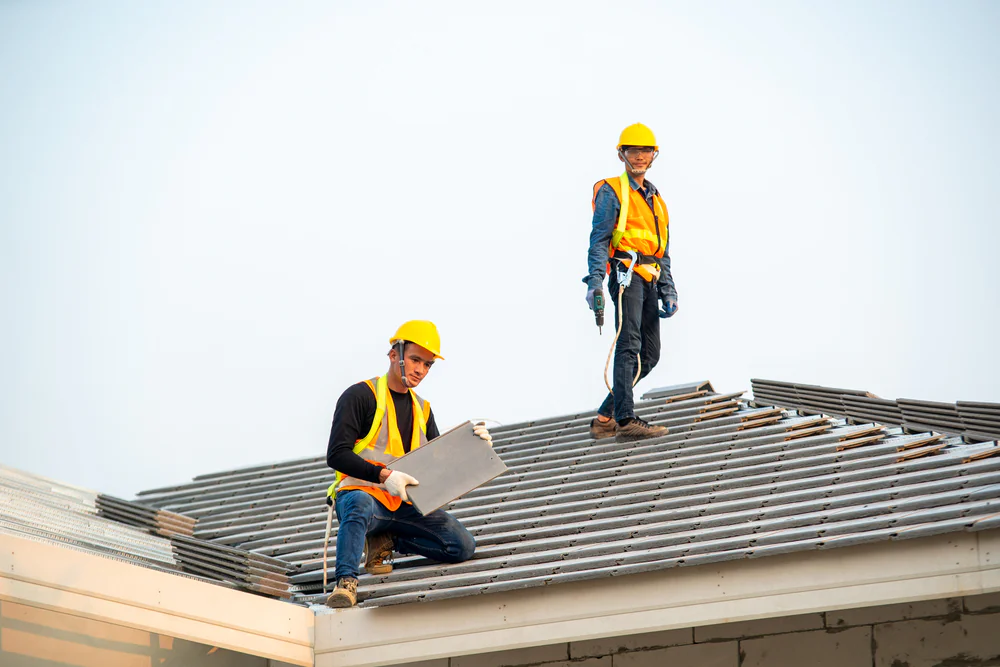
You stop worrying every time the forecast calls for heavy snow or high winds. Your heating bills drop because your attic isn’t leaking air like a sieve. Your home looks better from the street, and if you ever sell, the roof becomes a selling point instead of a negotiation problem.
That’s what happens when roofing is done right for this climate. New Hampshire weather swings hard from season to season. Ice and snow load your roof all winter. Summer sun and storms degrade materials faster than you’d think. The wrong shingles or sloppy installation mean you’re back on the phone with a roofing contractor in two years instead of twenty.
We install roofing systems built to handle what Francestown actually throws at them. High-quality asphalt shingles designed for freeze-thaw cycles. Proper ventilation so ice dams don’t wreck your gutters and soffits. Underlayment that stops leaks before they start. You’re not just getting a roof. You’re getting years without emergency calls, without buckets in the hallway, without wondering if this next storm is the one that finally does you in.
Paradise Remodeling Inc started in Massachusetts and expanded into New Hampshire because homeowners here deal with the same weather challenges we’ve been solving for over a decade. We’re an Owens Corning Preferred Contractor, which means we meet strict standards for installation quality and customer service. That’s not marketing talk. It’s a certification you can verify.
Francestown sits in southern New Hampshire where winter hits hard and summer doesn’t go easy on roofs either. We’ve worked in this area long enough to know what fails and what lasts. The crews we send aren’t learning on your house. They know how to handle steep pitches, tricky flashing details, and the kind of wind exposure you get on properties outside town centers.
You’ll talk to someone who’s seen your exact situation before. We’ll walk the roof, point out what’s failing and why, and give you a written estimate that doesn’t change halfway through the job. No surprises. No disappearing after deposit. Just the work we said we’d do, finished when we said we’d finish it.
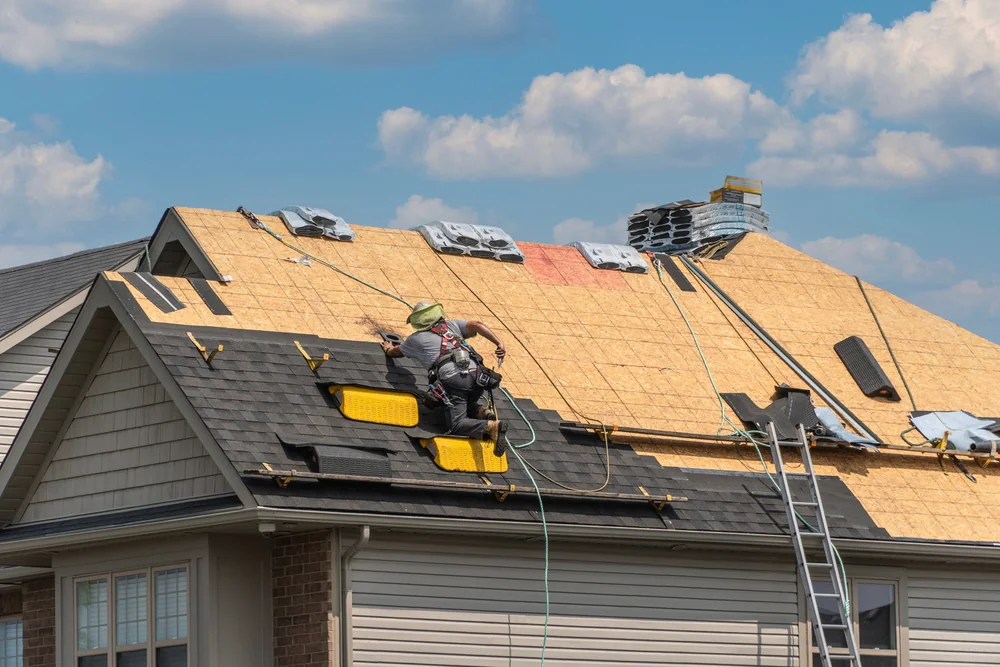
First, we schedule a time to look at your roof in person. We’re checking for obvious damage like missing shingles or sagging sections, but also for things you can’t see from the ground—worn flashing, inadequate ventilation, decking that’s starting to rot. We take measurements and photos. Then we sit down and walk you through what needs to happen and why.
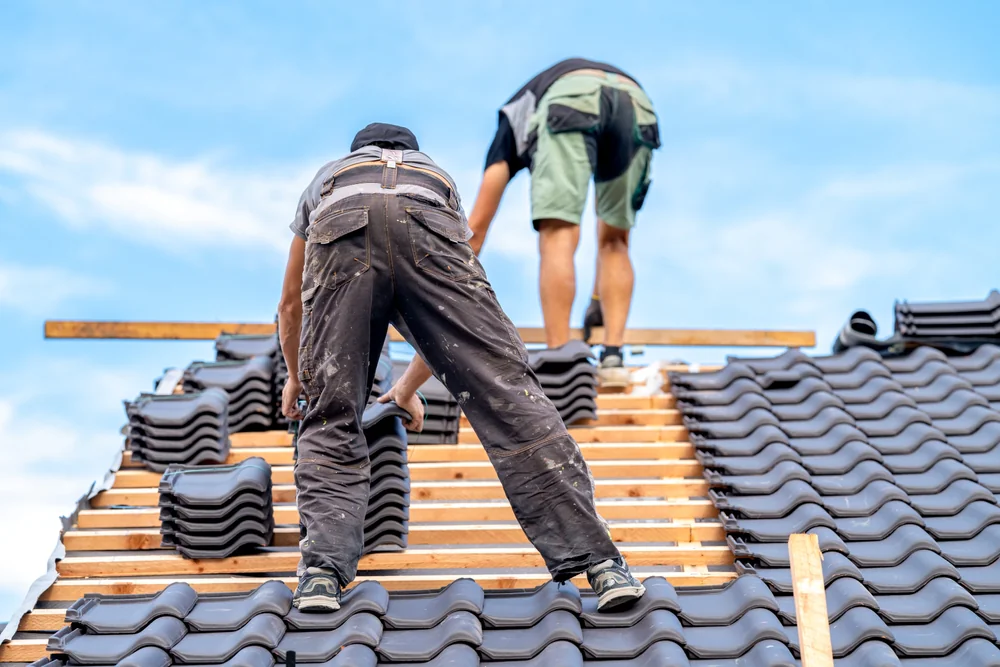
Once you approve the estimate, we order materials and get you on the schedule. Most residential roofing projects in Francestown take two to four days depending on size and complexity. We’ll give you a start date and stick to it unless weather makes the work unsafe. Our crew shows up, strips off the old roof, inspects and repairs the decking if needed, installs new underlayment and shingles, handles all the flashing and ventilation details, and cleans up every nail and shingle scrap before they leave.
You get a walkthrough when it’s done. We show you what we did, answer any questions, and make sure you’re clear on your warranty coverage. Then we’re gone. The only evidence we were there is a roof that doesn’t leak and looks like it belongs on your house. If something comes up later—a question about maintenance, a concern after a big storm—you call the same number and talk to someone who knows your job.
Ready to get started?
Every roofing project starts with a full inspection of your current system. We’re looking at shingles, underlayment, decking, flashing, ventilation, and gutters. In Francestown, ice dams are a huge issue, so we pay close attention to attic ventilation and insulation problems that cause them. If your roof is failing because warm air is escaping through your ceiling and melting snow unevenly, new shingles won’t fix that. We’ll tell you what’s actually wrong.
For replacements, you’re getting Owens Corning or Mule-Hide materials depending on what your house needs. Both are built to handle New Hampshire’s temperature swings and weather extremes. We replace any rotted decking we find. We install ice and water shield in valleys and along eaves where leaks start. We make sure ridge vents or other ventilation systems are doing their job. All flashing gets replaced, not reused. Corners don’t get cut.
Roof repairs work the same way. We don’t just slap a patch on and hope it holds. We figure out why the leak happened—storm damage, installation error, material failure, something else—and fix the root cause. If you’ve got missing shingles after a windstorm, we match your existing roof and secure them properly. If you’ve got a slow leak that’s been staining your ceiling, we trace it back and stop it. And if your roof is too far gone for repairs to make sense, we’ll tell you that too. You need honest information, not a bandaid that buys you six months.
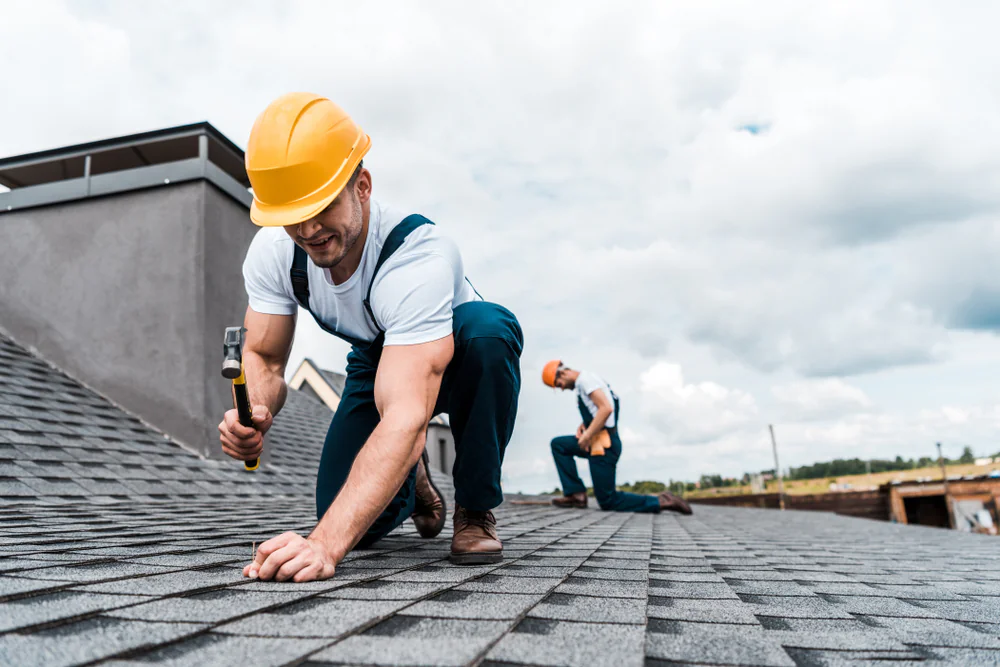
If the damage is localized—a few missing shingles from wind, a small leak around a chimney, flashing that’s come loose—repair usually makes sense. You’re looking at a few hundred to a couple thousand dollars depending on what’s involved, and you buy yourself more years out of the roof.
But if your shingles are curling, cracked, or losing granules across large sections, or if your roof is over 20 years old and you’re getting multiple leaks, replacement is the smarter move. Repairs become a cycle of throwing money at a failing system. You’ll spend less in the long run by replacing it once and being done.
We’ll walk your roof and give you an honest assessment. If repairs will hold for another five years and you’re not ready to replace, we’ll tell you. If your roof is on borrowed time and repairs are just delaying the inevitable, we’ll tell you that too. The goal is to help you make the right call for your situation, not to upsell you into work you don’t need yet.
Asphalt shingles are the most common choice here because they handle freeze-thaw cycles well and come in a range of quality levels to fit different budgets. The key is going with architectural shingles rated for high wind and impact resistance. Cheap three-tab shingles won’t last in New Hampshire weather.
Metal roofing has gotten more popular, especially after heavy snow seasons. It sheds snow and ice better than asphalt, lasts 40-plus years, and holds up to wind. The upfront cost is higher, but if you’re planning to stay in the house long-term, the math works. It’s also lighter than asphalt, which matters if your roof framing is older.
We use Owens Corning and Mule-Hide products because they’re designed for northern climates. Both manufacturers back their materials with solid warranties, and we’ve seen how they perform after ten or fifteen New Hampshire winters. Whatever you choose, proper installation matters more than the brand name. The best shingles in the world won’t save you if the underlayment is wrong or the ventilation is inadequate.
Most residential roof replacements in this area run between $8,000 and $25,000 depending on size, pitch, material choice, and how much decking needs repair. A straightforward ranch with a simple roofline and standard asphalt shingles will be on the lower end. A two-story colonial with multiple valleys, dormers, and premium materials will be higher.
Roof size is the biggest factor. We measure in squares—one square equals 100 square feet. A typical home might be 20 to 35 squares. Steeper pitches cost more because they’re harder and more dangerous to work on. If we find rotted decking when we strip the old roof, that’s additional material and labor. Same with chimney reflashing or skylight work.
We give you a written estimate before any work starts, and that number doesn’t change unless you approve additional work. No hidden fees, no surprise charges when the job’s done. If you’re working with insurance after storm damage, we’ll document everything and help you through that process. The goal is to get you a roof that lasts without bankrupting you or playing games with the price.
Late spring through early fall is ideal. You want temperatures consistently above 40 degrees so shingles seal properly, and you want dry weather so we’re not fighting rain delays or working on wet decking. Most roofing contractors in New Hampshire are slammed from May through October because everyone’s trying to get work done before winter.
That said, if your roof is leaking or failing, waiting six months for perfect weather isn’t always an option. We’ve done winter roofing jobs when necessary. It’s harder, it takes longer, and there are extra precautions to make sure materials perform correctly in cold temperatures. But it’s possible if you’re in a bind.
If you have flexibility, schedule your roof in spring or early summer. You’ll have more availability, potentially better pricing, and ideal conditions for installation. If you’re dealing with storm damage or an emergency leak, call us regardless of the season. We’ll figure out the best solution for your timeline and situation, even if that means temporary repairs to get you through winter and a full replacement when weather cooperates.
Start by checking credentials. Make sure they’re licensed, insured, and bonded. Ask for proof. A legitimate roofing contractor will hand over certificate of insurance without hesitation. If they dodge that question or say it’s “in the truck,” walk away. You’re liable if an uninsured worker gets hurt on your property.
Look for manufacturer certifications like Owens Corning Preferred Contractor status. Those aren’t automatic. You have to meet installation standards and maintain good customer reviews to keep them. Check online reviews, but read between the lines. Every contractor gets a bad review occasionally. You’re looking for patterns—do they show up when they say they will, do they communicate clearly, do they handle problems professionally.
Get at least three estimates and compare what’s actually included, not just the bottom-line price. The lowest bid often means corners getting cut somewhere. Ask questions. How long will the job take? What happens if you find rotted decking? Who’s responsible for cleanup? What’s covered under warranty? A good contractor will answer all of that clearly and put it in writing. If someone pressures you to sign same-day or says the price is only good for the next hour, that’s a red flag. Roofing is a big investment. You should have time to think it through.
Yes, if it’s done right. Ice dams form when heat escapes through your roof, melts snow unevenly, and creates ice buildup at the eaves. That ice backs up under shingles and causes leaks. The fix isn’t just better shingles—it’s proper attic insulation and ventilation so heat stays inside your house where it belongs.
When we replace a roof, we’re looking at the whole system. If your attic is underinsulated or your soffit and ridge vents aren’t moving air correctly, we’ll point that out. Adding insulation and improving ventilation stops ice dams and cuts your heating bills. Warm air isn’t escaping through the roof, so your furnace doesn’t work as hard.
A well-installed roof with good underlayment also stops air leaks that drive up energy costs. You’d be surprised how much conditioned air escapes through gaps around chimneys, vents, and poorly flashed penetrations. We seal all of that during installation. The result is a roof that keeps weather out and heat in. You’ll notice the difference in comfort and in your utility bills, especially during Francestown’s cold months when heating costs add up fast.
Other Services we provide in Francestown