Hear from Our Customers
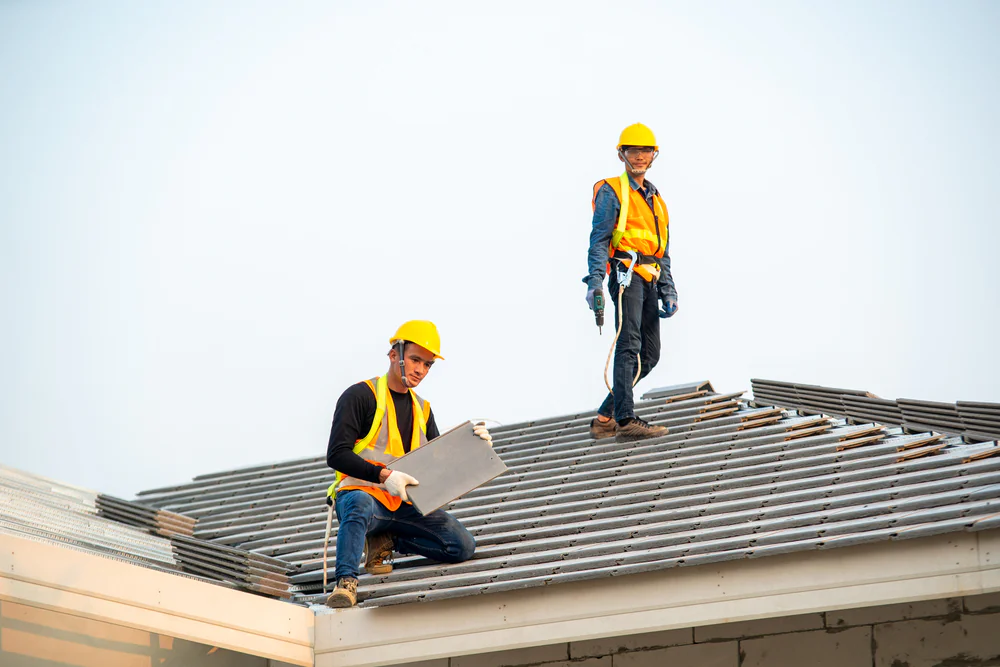
Your roof handles snow loads that would crush most southern homes. It expands and contracts through 80-degree temperature swings. It takes direct hits from hail, wind, and ice dams that form when your attic heat melts snow unevenly.
Most damage happens quietly. You won’t see the problem until water stains appear on your ceiling or your energy bills spike because your attic insulation is soaked. By then, you’re looking at structural repairs that cost three times what a proactive replacement would have run.
A properly installed roof does more than keep water out. It regulates your home’s temperature, protects your largest investment, and gives you one less thing to worry about when the next nor’easter rolls through. You’re not just buying shingles—you’re buying years of reliable performance in conditions that test every material we install.
The difference between a roof that lasts 15 years and one that lasts 30 comes down to material selection, installation precision, and understanding how Chester’s specific climate affects different roofing systems. That’s not something you learn from a manual.
We earned Owens Corning Preferred Contractor status because we meet their requirements for installation quality and customer service. That’s not a participation trophy—only contractors who prove consistent results get that certification.
We’ve spent 12 years handling roofing projects across New England. Chester homes have specific challenges: the town’s median home was built in 1993, which means many roofs are approaching or past their 25-year lifespan. Your neighbors are dealing with the same aging materials, the same weather exposure, the same decision about whether to repair or replace.
We’re based in Massachusetts and serve the broader region, which means we understand the building codes, weather patterns, and material performance issues specific to this area. You’re not getting a national chain that sends different crews every time. You’re getting the same team that’s been managing projects here for over a decade.
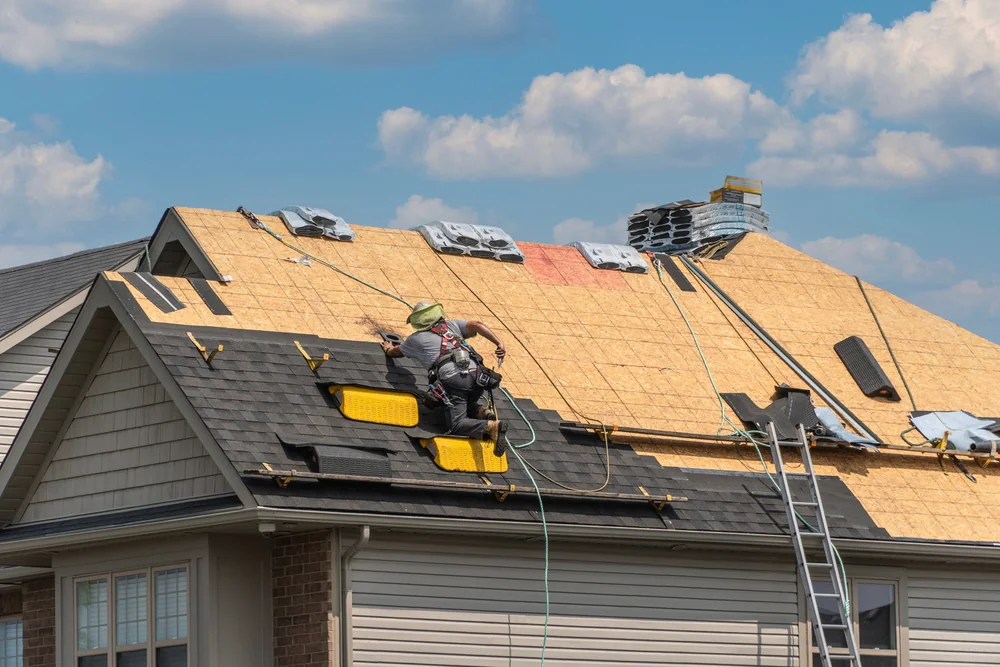
We start with a free estimate where we actually get on your roof—not just look at it from the ground. You’ll know what’s failing, why it’s failing, and what your realistic options are. No pressure, no upselling to premium materials you don’t need.
If you move forward, we handle the timeline and coordinate everything. That includes material delivery, crew scheduling, and managing the details most homeowners don’t think about until they become problems. We pull permits, arrange dumpsters, protect your landscaping, and make sure your property looks the same when we leave—just with a new roof.
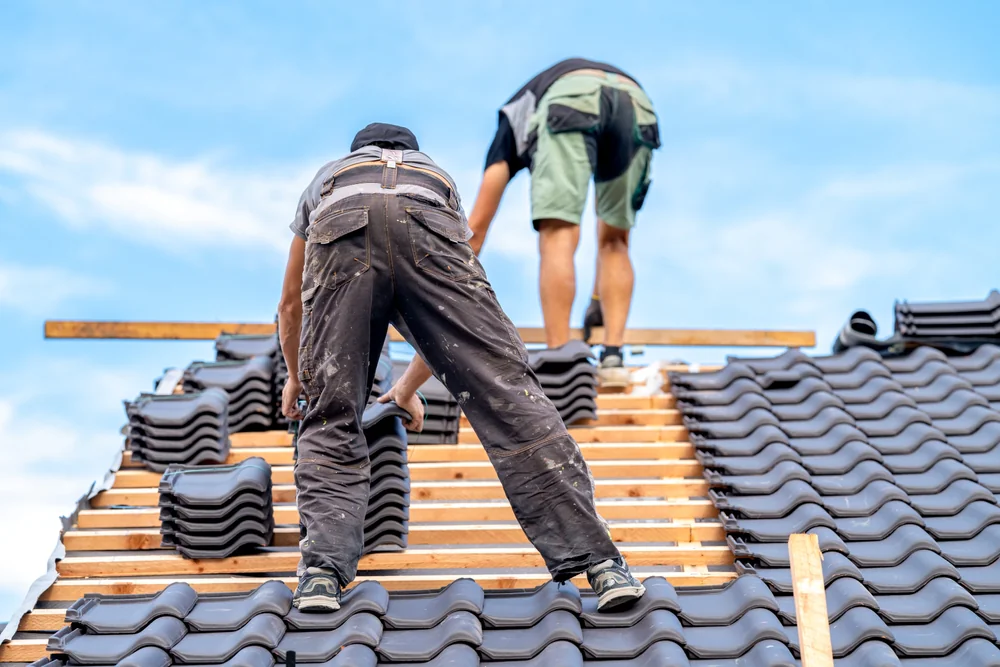
During installation, we remove old materials down to the decking, inspect for structural issues, replace any damaged sections, and install your new system according to manufacturer specifications. That matters because it’s what keeps your warranty valid and your roof performing as designed.
The actual installation typically takes two to four days depending on your home’s size and complexity. We don’t stretch jobs to fill our schedule. Weather can delay things—we won’t install in rain or high winds because it compromises the work—but you’ll know the timeline upfront and get updates if anything changes.
After we finish, we walk the property with you to make sure you’re satisfied and answer any questions about maintenance or warranty coverage. Then we’re done. You’ve got our contact information if something comes up, but if we did our job right, you won’t need us again for 25 years.
Ready to get started?
We work with Owens Corning, CertainTeed, and Mule Hide because these manufacturers back their products with real warranties and their materials perform in New Hampshire weather. You’re not getting experimental products or whatever’s cheapest this month.
Your project includes complete tear-off and disposal of old materials, deck inspection and repair, ice and water shield in vulnerable areas, proper ventilation to prevent ice dams, and installation of your selected roofing system. We also handle flashing around chimneys, skylights, and roof penetrations—the spots where most leaks start if the work isn’t done correctly.
Chester’s location means you deal with heavy snow accumulation and the freeze-thaw cycles that destroy poorly installed roofs. We account for that in material selection and installation technique. Your roof needs to handle snow loads, shed ice safely, and maintain its seal when temperatures swing from 10 below to 50 above in the same week.
Most Chester homes benefit from architectural shingles rated for high wind resistance and impact damage. They cost more than three-tab shingles but last significantly longer in your climate. We’ll explain the actual cost difference and performance trade-offs so you can make an informed decision based on your budget and how long you plan to own the home.
If your roof qualifies for insurance coverage due to storm damage, we can work with your adjuster to document the damage and ensure your claim reflects the actual scope of necessary repairs. Many homeowner policies cover storm-related roof damage, but you need proper documentation to get the claim approved.
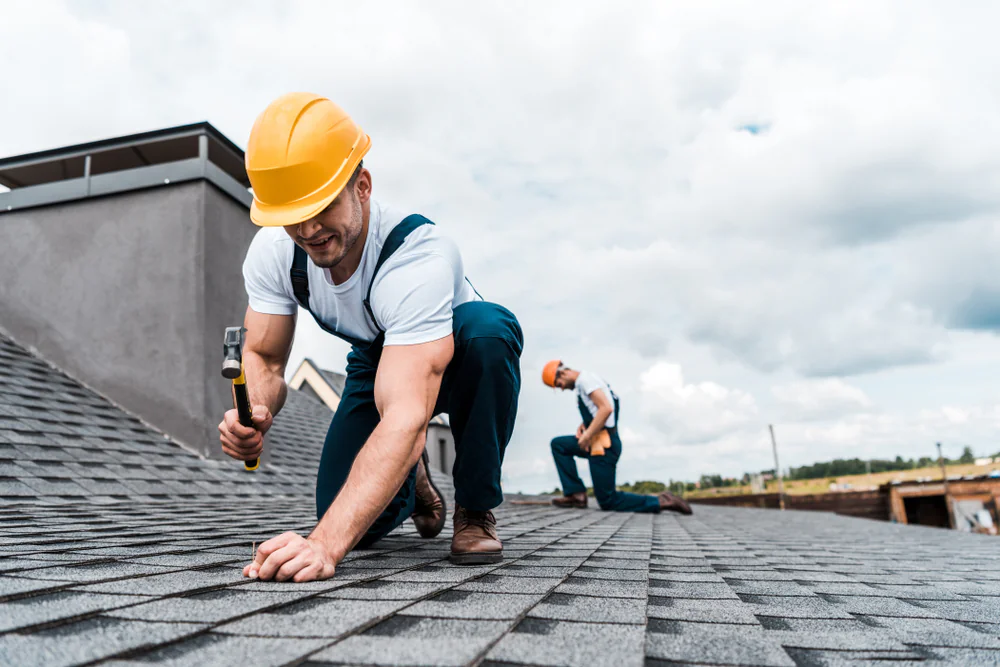
If your roof is under 15 years old and you’ve got localized damage from a recent storm, repair usually makes sense. You’re looking at a few hundred to a couple thousand dollars to replace damaged shingles and fix any underlying issues.
Full replacement becomes the better option when your roof is over 20 years old, you’re seeing multiple problem areas, or the damage is widespread. At that point, you’re throwing money at a system that’s near the end of its lifespan anyway. Spending $3,000 on repairs for a roof that needs replacing in three years doesn’t make financial sense.
The other factor is what we find when we inspect the decking. If water has been getting through for a while, you might have structural damage that won’t be visible until we remove the shingles. That changes the math on repair versus replacement pretty quickly.
Late spring through early fall gives you the most reliable weather windows. Shingles seal properly when temperatures are above 50 degrees, and you want several dry days for installation.
That said, we can work in cooler weather if needed—we just have to use different techniques and materials to ensure proper adhesion. If your roof is actively leaking or you’ve got structural concerns, waiting six months for perfect weather isn’t always the right call.
Summer is our busiest season because everyone wants the same weather window. If you’re planning a replacement and don’t have urgent damage, schedule it in May or September. You’ll get faster scheduling and the same quality work without competing with every other homeowner who just realized their roof won’t make it through another winter.
It depends on why your roof needs replacing. Insurance covers sudden damage from storms, hail, wind, or falling trees. It doesn’t cover normal wear and tear or a roof that’s simply reached the end of its lifespan.
If you’ve had recent storm damage, document everything before repairs start. Take photos, note the date of the storm, and file your claim promptly. Most policies have time limits on when you can file after damage occurs.
Your insurance company will send an adjuster to assess the damage. They’re looking at whether the damage is recent and storm-related versus pre-existing or age-related deterioration. Having a contractor who can document the specific damage and explain what’s covered versus what’s not makes this process much smoother. We’ve worked with enough adjusters to know what documentation they need and how to present the scope of work in a way that supports your claim.
Most residential roof replacements in Chester take two to four days of actual work. A straightforward ranch with easy access might be done in a day and a half. A larger colonial with multiple valleys, chimneys, and complex flashing takes longer.
Weather adds the biggest variable. We can’t install in rain, and we won’t work in high winds because it’s dangerous and compromises installation quality. If the forecast looks questionable, we’ll delay the start rather than get halfway through and leave your home exposed.
The timeline also depends on what we find when we remove the old roof. If your decking has rot or structural damage, we need to fix that before installing new materials. That’s not something we can quote accurately until we see what’s underneath, but we’ll let you know immediately if we find issues and what it’ll cost to address them.
Architectural asphalt shingles handle Chester’s climate well and offer the best balance of cost, durability, and performance for most homes. Look for products rated for high wind resistance and impact damage—you’re paying a bit more upfront but getting significantly longer lifespan.
Metal roofing is gaining popularity because it sheds snow easily, lasts 40+ years, and handles temperature extremes without degrading. The upfront cost runs about double what architectural shingles cost, but if you’re planning to stay in your home long-term, the math works out in metal’s favor.
Avoid three-tab shingles in this climate. They’re cheaper initially but don’t hold up to the freeze-thaw cycles and wind exposure you get here. You’ll be replacing them in 15 years instead of 25-30, which means you’re actually spending more over time. The material savings aren’t worth the shortened lifespan and increased maintenance.
Start with licensing and insurance—that’s non-negotiable. Any contractor working on your home should carry liability insurance and workers’ comp. If someone gets hurt on your property and they’re not covered, you’re liable.
Manufacturer certifications like Owens Corning Preferred Contractor or GAF Master Elite status indicate the contractor has met specific training and quality requirements. These aren’t just marketing labels—manufacturers audit certified contractors and can revoke certification if quality or customer service drops.
Get multiple estimates, but don’t choose based solely on price. The lowest bid usually means someone is cutting corners on materials, rushing installation, or underpaying their crew. The highest bid doesn’t automatically mean better quality. Look for contractors who explain what they’re doing, why they’re doing it that way, and what you’re actually paying for. If someone can’t clearly explain their process or gets defensive when you ask questions, that tells you what working with them will be like when problems come up.