Hear from Our Customers
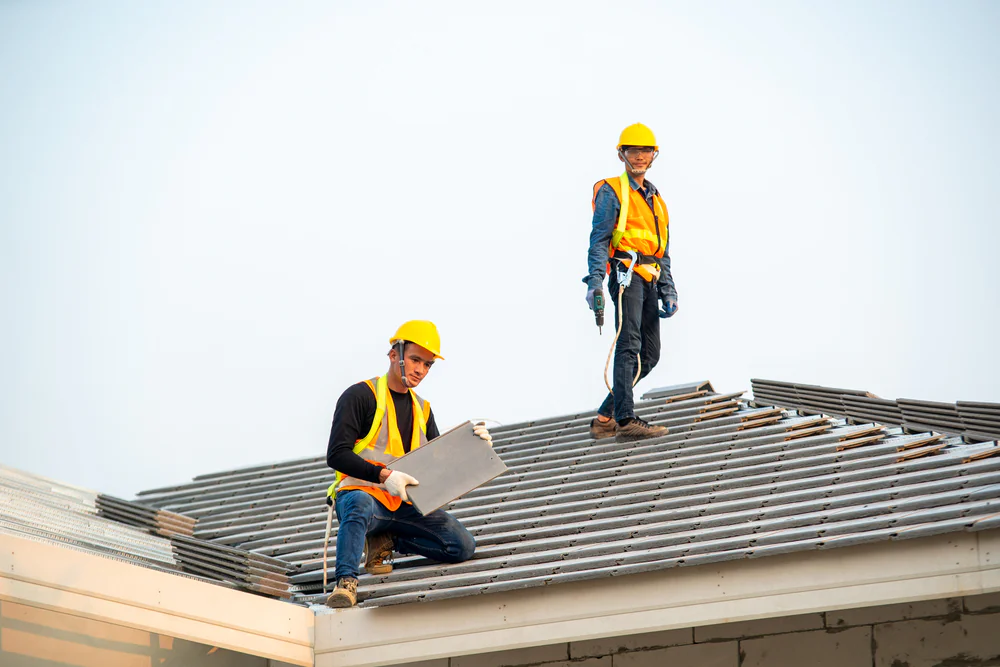
You’re not calling a roofer because everything’s going great. Something’s leaking, or you’re seeing ice dams form, or you know your roof’s getting old and you’d rather deal with it now than during the next blizzard.
Here’s what changes after we’re done. You stop worrying every time the forecast calls for heavy snow. You’re not climbing up there with a rake trying to clear ice yourself. Your energy bills drop because heat’s not escaping through a poorly ventilated roof.
Your home looks better from the street. The shingles are straight, the flashing is sealed, and everything’s built to last through Georgetown’s freeze-thaw cycles without cracking or curling. You’ve got a roof that does its job—keeps water out, keeps warmth in, and doesn’t become your problem again for years.
That’s the outcome. Not just a roof replacement or repair, but one less thing to stress about when winter rolls around again.
We’ve been handling roofing projects across the North Shore since 2006. We’re an Owens Corning Preferred Contractor, which means we meet strict standards for quality and reliability—not something they hand out to just anyone.
We’re local. We know Georgetown’s housing stock—the older colonials that need careful flashing work, the newer builds from the 2000s boom that are hitting that 20-year shingle lifespan. We’ve seen what happens when roofs aren’t built for Massachusetts weather, and we’ve fixed plenty of those mistakes.
You’re working with a licensed, insured team that shows up when we say we will. We’re not the cheapest option in town, and that’s intentional. You’re paying for materials that last and installation that’s done right the first time. That’s how we’ve stayed in business for nearly two decades.
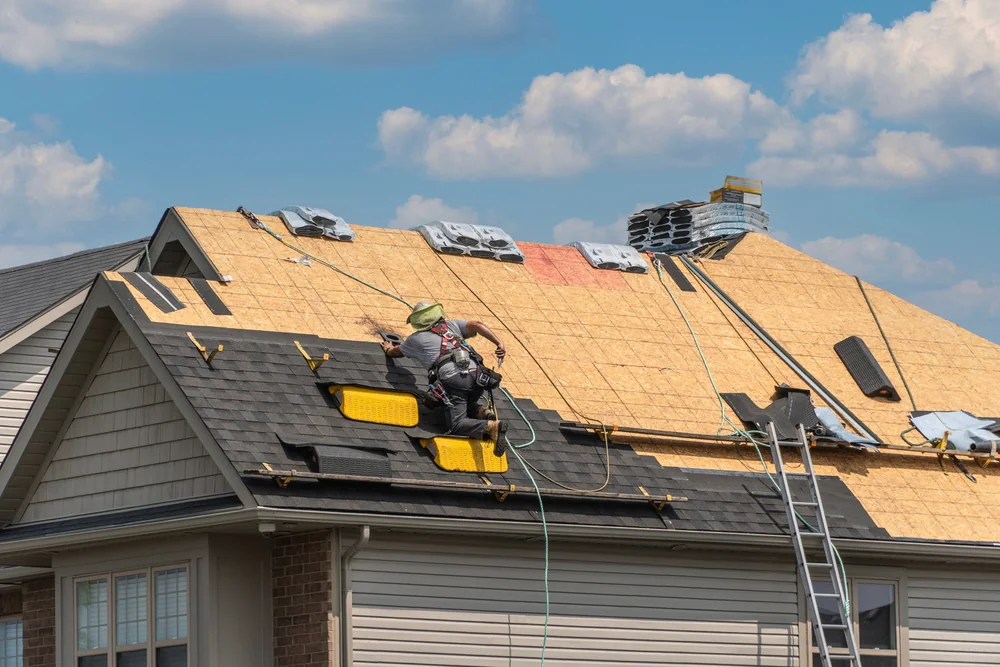
First, we come out and inspect your roof. Not a quick glance from the driveway—we’re up there looking at shingle condition, checking flashing around chimneys and vents, examining soffit and fascia, and looking for signs of ice dam damage or poor ventilation. This usually takes 30-45 minutes.
Then we give you a real estimate. We break down what needs to happen, why it needs to happen, and what it’ll cost. If your roof can be repaired instead of replaced, we’ll tell you. If it’s time for a full replacement, we’ll explain what that involves and how long it’ll take.
Once you approve the work, we schedule it around weather and material delivery. For a full replacement, most Georgetown homes take 2-3 days depending on size and complexity. We protect your landscaping, tear off old materials, inspect the decking for damage, install new underlayment and ice-and-water shield, then install your new roof system.
We clean up completely—magnetic rollers pick up nails, debris goes in our dumpster, not your yard. Then we walk the property with you to make sure you’re satisfied before we consider the job done.
Ready to get started?
We handle the full range of residential roofing work. That means new roof installations, complete tear-offs and replacements, storm damage repairs, leak detection and fixes, ice dam prevention and removal, and emergency repairs when something fails at the worst possible time.
Georgetown’s weather creates specific problems. Ice dams are common here because of how snow accumulates and melts on roofs during temperature swings. We install proper ventilation and insulation to prevent heat loss that causes ice dams in the first place. When they do form, we remove them safely without damaging your shingles.
We work with quality materials—primarily Owens Corning and Mule Hide products that are built for New England conditions. These aren’t the builder-grade shingles that start failing after 15 years. You’re getting materials with real warranties and the performance to back them up.
Maintenance matters too. We offer roof inspections that catch small problems before they become expensive ones. A $300 repair now beats an $8,000 replacement later. Most Georgetown homeowners should have their roof inspected every 2-3 years, or after any major storm.
Age is the first indicator. Asphalt shingles typically last 20-25 years in Massachusetts. If your roof’s approaching that range, replacement makes more sense than patching.
Look for curling or missing shingles, dark streaks or moss growth, granules collecting in your gutters, or daylight visible through roof boards from your attic. These are signs your roof’s failing. One or two damaged shingles after a storm? That’s a repair. Widespread wear across multiple sections? That’s replacement territory.
We’ll be honest during the inspection. If repairs will buy you another 5-7 years and you’re not ready for the replacement cost yet, we’ll tell you. If your roof’s deteriorated to the point where repairs are just delaying the inevitable by a year, we’ll tell you that too. The goal is helping you make the right call for your situation and budget.
Ice dams form when heat escapes through your roof, melts snow, and that water refreezes at the roof edge where it’s colder. The ice builds up, traps more water behind it, and eventually that water backs up under your shingles and into your house.
Georgetown sees this constantly during winter because of our temperature swings. You’ll see icicles hanging from gutters, water stains on ceilings near exterior walls, or actual leaks during snowmelt.
Prevention comes down to three things: proper attic insulation to stop heat loss, adequate ventilation to keep the roof deck cold, and ice-and-water shield installed at roof edges and valleys during installation. We check all three during inspections. If your attic’s poorly insulated or ventilated, fixing that solves the root cause. Roof raking and heat cables are temporary fixes—they don’t address why ice dams form in the first place.
Most residential roof replacements take 2-3 days for an average-sized Georgetown home. Larger homes or complex rooflines with multiple valleys, dormers, or steep pitches can take 4-5 days.
Day one is usually tear-off and inspection. We remove old shingles, check the roof decking for rot or damage, replace any bad sections, then install underlayment and ice-and-water shield. Day two is shingle installation, flashing work around chimneys and vents, and ridge cap installation. Day three is detail work, cleanup, and final inspection.
Weather affects timing. We don’t install roofs in rain or when temperatures drop below manufacturer specifications. If we’re three-quarters done and a storm rolls in, we’ll tarp everything securely and resume when conditions allow. We’d rather take an extra day than compromise the installation quality. You’re also working around material delivery schedules—sometimes there’s a 1-2 week wait for specific shingle colors or styles, especially during peak season in late summer and fall.
Yes. If a tree branch punches through your roof during a storm or wind tears off a section of shingles, we provide emergency repairs to prevent further damage.
Emergency work focuses on stopping active leaks and securing the opening. We’ll tarp the damaged area, remove any debris, and do temporary repairs to protect your home until we can schedule permanent fixes. This isn’t the final repair—it’s damage control so water doesn’t destroy your attic, insulation, and ceilings while we wait for weather to clear.
Permanent repairs happen once conditions are safe. We assess the full extent of damage, work with your insurance if you’re filing a claim, then complete proper repairs or replacement of the damaged section. Georgetown sees storm damage from nor’easters, heavy snow loads, and occasional severe thunderstorms. Having a local roofer who responds quickly makes a real difference in minimizing secondary water damage to your home’s interior.
Architectural asphalt shingles are the most common choice for Georgetown homes, and for good reason. They handle freeze-thaw cycles well, come with 25-30 year warranties, and offer good value for the performance.
We primarily install Owens Corning Duration or Oakridge shingles. They’re designed for northern climates, resist algae growth, and hold up to wind and impact better than three-tab shingles. The dimensional design also looks better and adds some curb appeal.
Metal roofing is gaining popularity, especially standing seam systems. Metal sheds snow easily, lasts 40-50 years, and eliminates ice dam concerns. The upfront cost is roughly double asphalt, but the longevity and low maintenance offset that over time. It’s worth considering if you’re planning to stay in your home long-term.
Avoid cheap builder-grade shingles. They’ll save you money now but start failing at 15-18 years instead of 25. Georgetown’s weather is too harsh for bottom-tier materials. You’ll end up replacing the roof sooner and spending more in the long run.
Yes. We’re fully licensed and insured to perform roofing work throughout Massachusetts, including Georgetown. Our license is current and verified, and we carry both liability insurance and workers’ compensation coverage.
That protects you. If someone gets hurt on your property during the job, our workers’ comp covers it—you’re not liable. If we accidentally damage something, our liability insurance handles it. Not all roofing contractors carry proper coverage, and that risk falls on you as the homeowner if something goes wrong.
We’re also an Owens Corning Preferred Contractor, which requires meeting specific standards for licensing, insurance, business practices, and customer satisfaction. They audit contractors regularly, so that credential means something. You can verify our credentials before hiring us—we’ll provide documentation upfront. Any legitimate roofing contractor should be willing to prove they’re properly licensed and insured before starting work on your home.
Other Services we provide in Georgetown